 Honest take
WOKINS, NSIRONS and Other Unfamiliar Dutch Oven Brands: What to Check First
Search 'Dutch oven' on Amazon and names you have never heard of outrank Lodge. Three of them, and the checklist for separating a genuine budget pot from a pot with no history behind it.
 Comparison
Le Creuset's Two Round Lines: Round Dutch Oven vs Signature Deep Round Oven
Le Creuset sells two differently named round pots that look nearly identical in photos. The Signature Deep Round Oven at 6.5 quarts costs less than the brand's own standard Round Dutch Oven at 5.5 or 7.25 quarts.
 Honest take
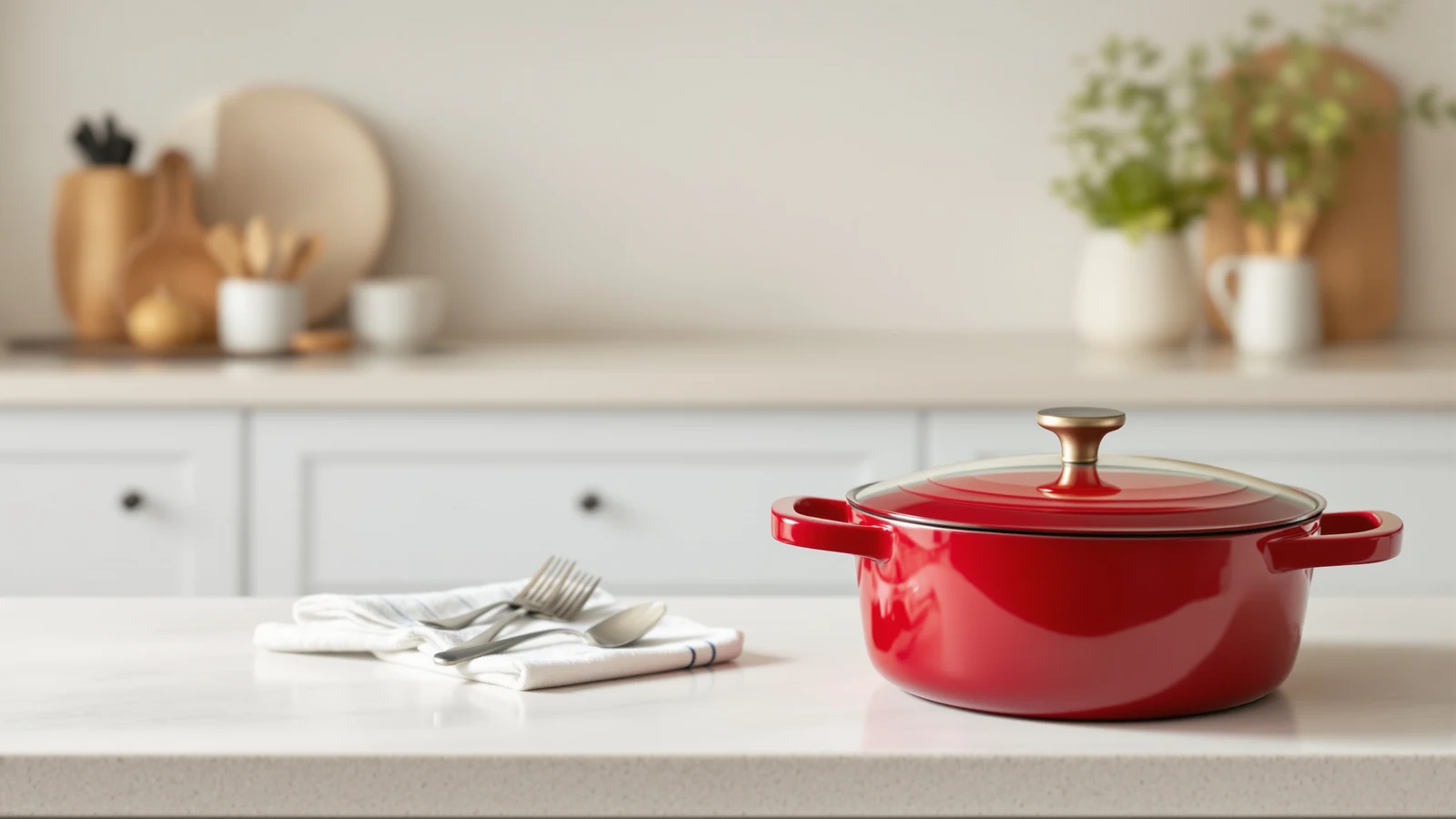
Staub's Glass-Lid Cocotte: Worth It, or Just a Window?
One Staub 4-quart cocotte swaps the cast-iron lid for glass so you can watch a braise without lifting it. It also costs thirty dollars less than the identical pot in cast iron. What you give up for that window.
 Comparison
Lodge BOLD vs Lodge Essential: Is the Redesign Worth It?
Lodge's BOLD line is bare, pre-seasoned, and ten dollars more than the enameled Essential colors it sits beside in the same catalog. What the redesign actually changes, besides the finish.
 Roundup
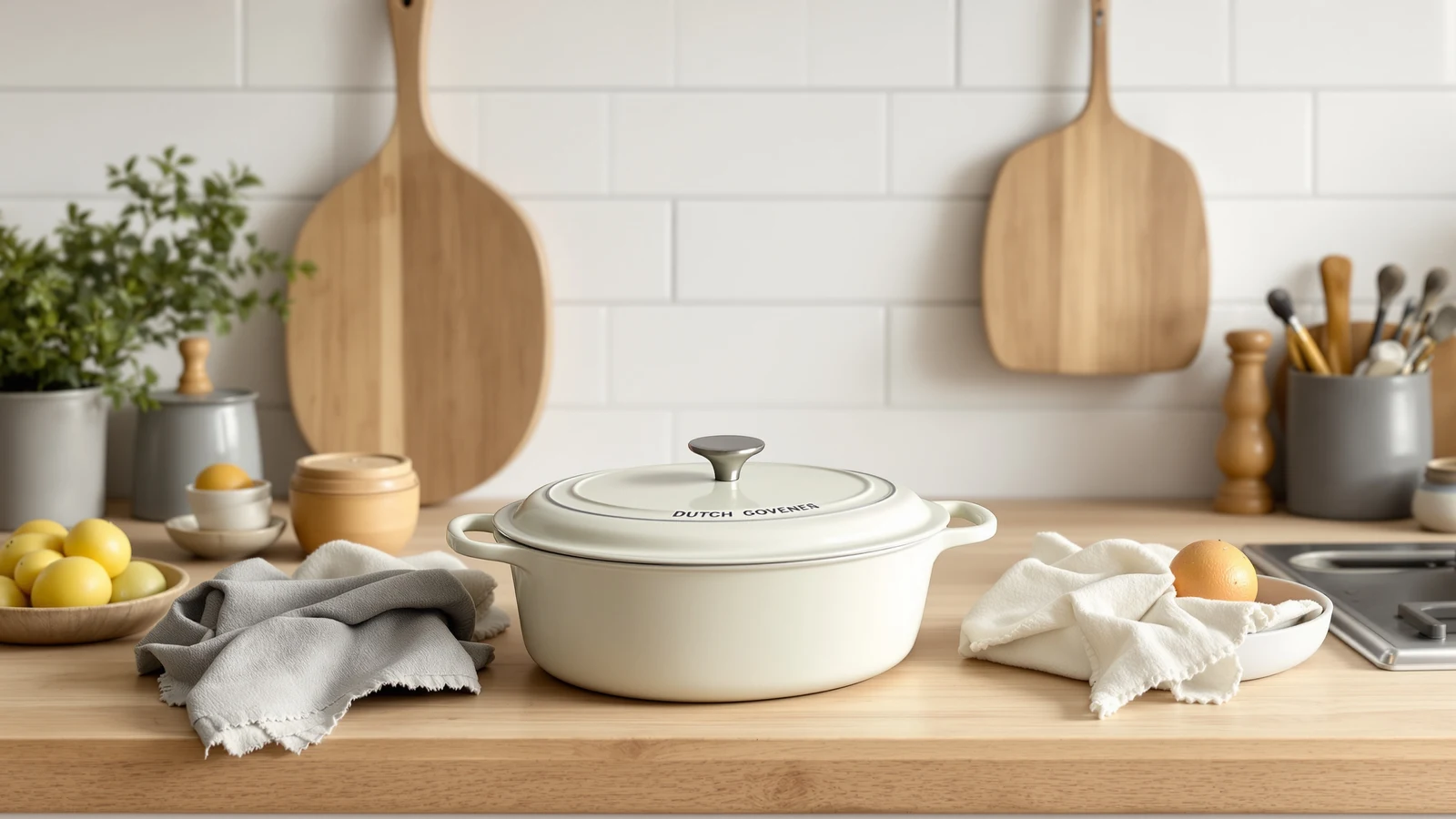
The Best Oval Dutch Ovens for a Roast or a Whole Fish
An oval pot is not a stretched round one; it is shaped for a joint of meat or a long fish, and it wastes heat on a round burner. Three oval pots across the price range.
 Roundup
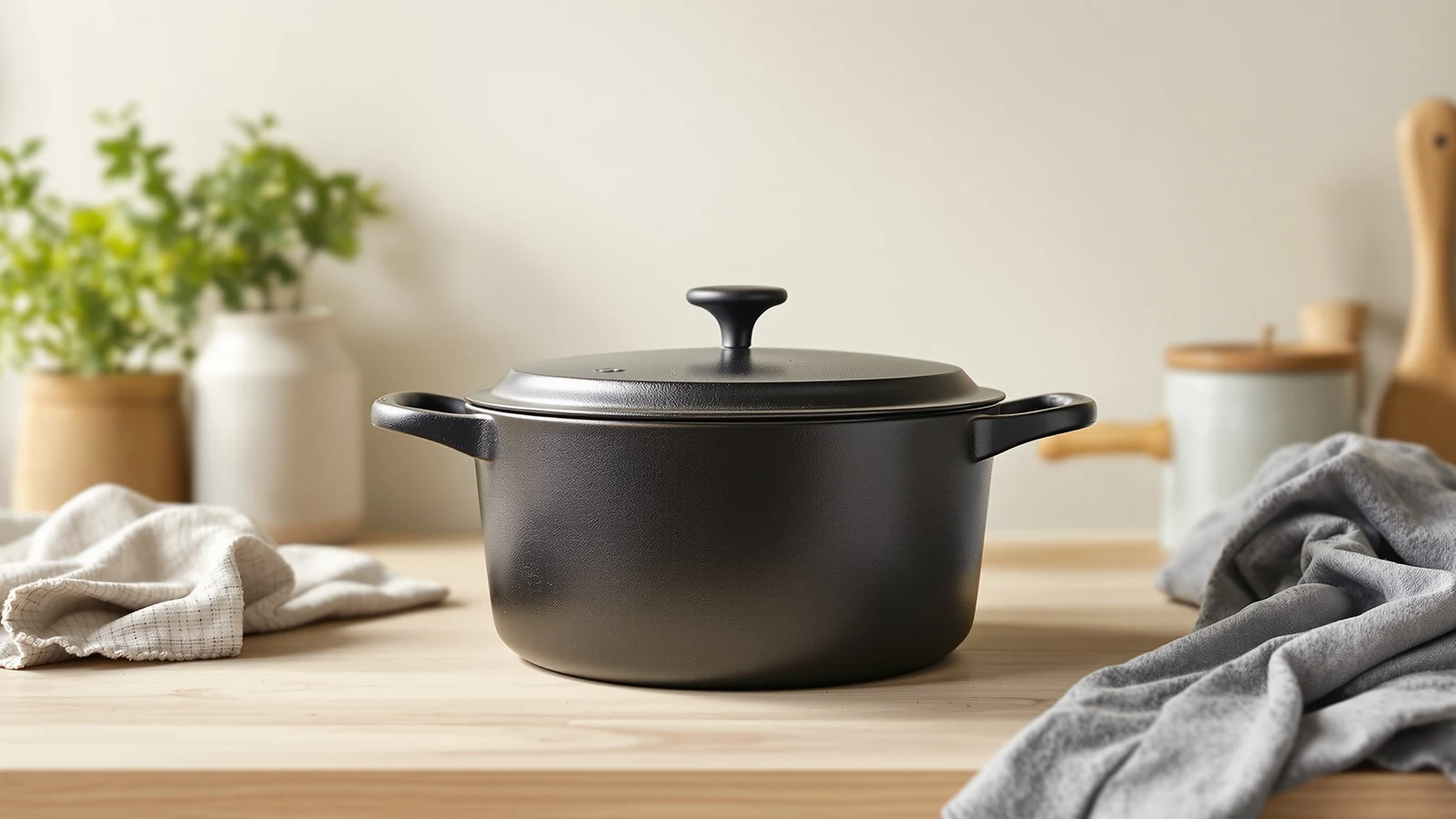
The Best Bare Cast Iron Dutch Ovens (No Enamel)
Pre-seasoned, enamel-free cast iron costs less and takes direct flame without flinching. Three pots built for a campfire grate or a stovetop burner, not a showroom shelf.
 Buying guide
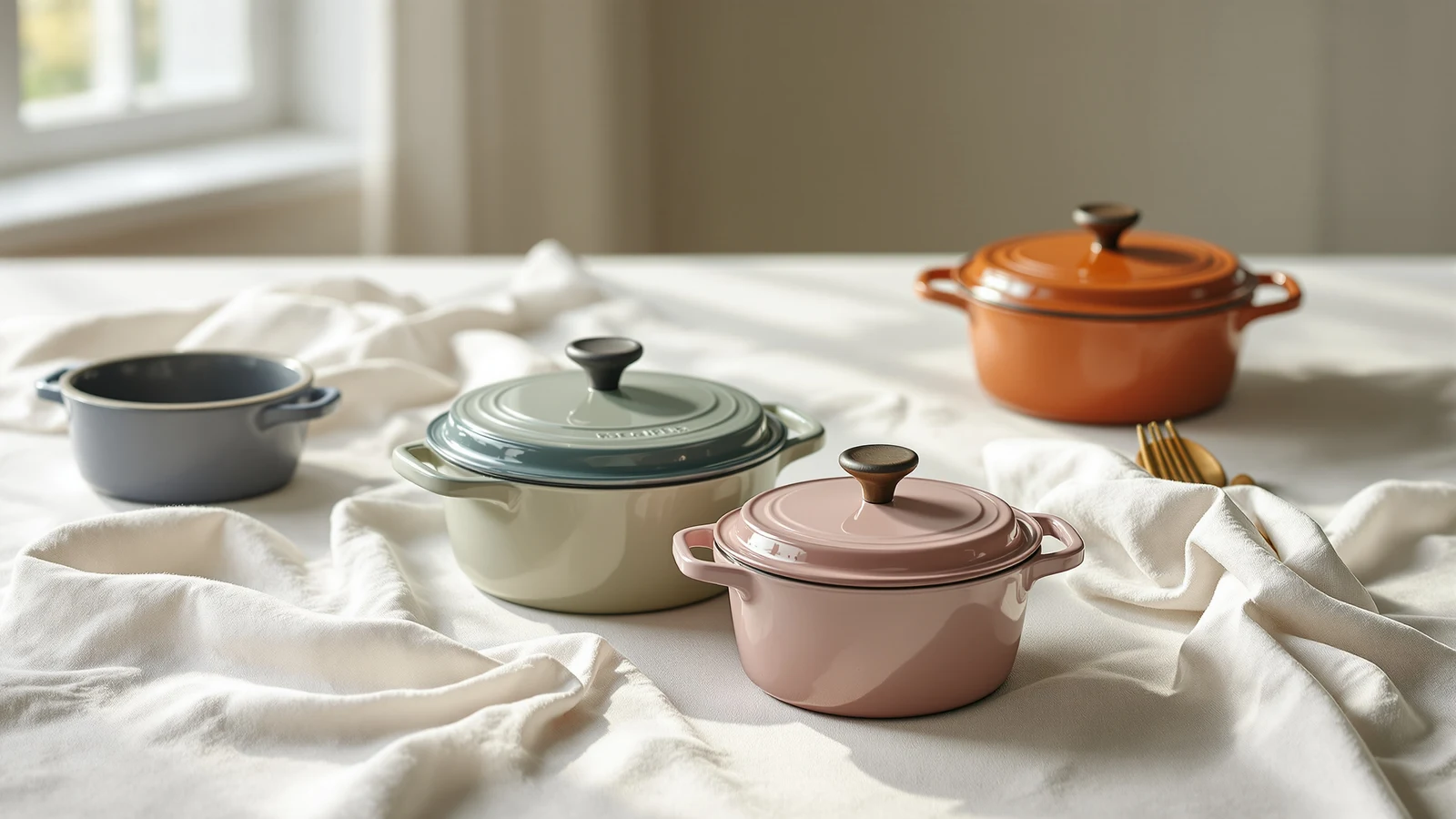
Mini Cocottes: What a 0.25-Quart Dutch Oven Is Actually Good For
A quarter-quart cocotte is not a small Dutch oven, it is a different object: built for a single portion of baked eggs or an individual dessert, not for cooking dinner. Where the format earns its place on a table.
 Honest take
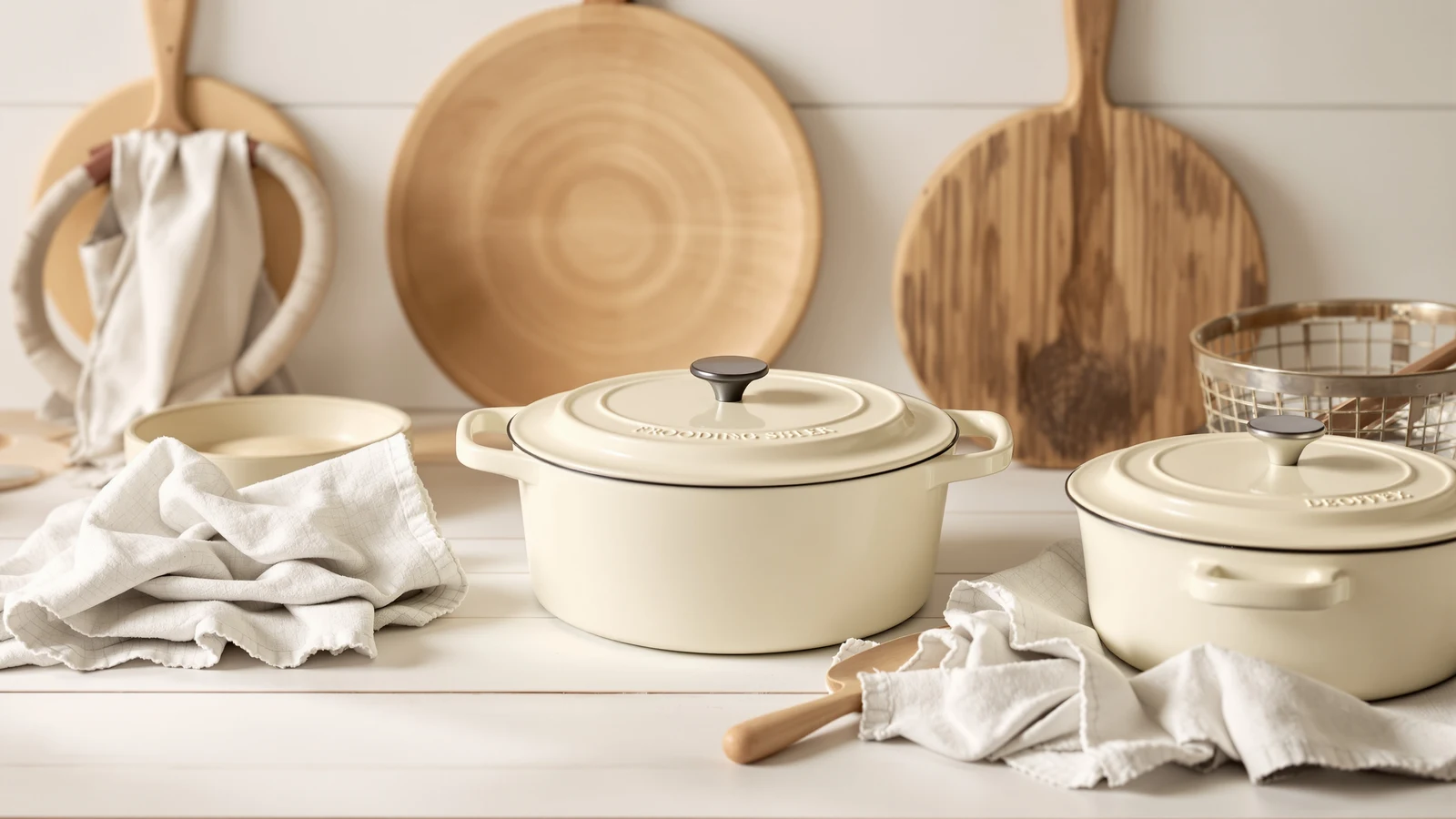
Dutch Ovens That Bundle a Proofing Basket or Bread Sling: Are the Extras Worth It?
Beyond the cookbook-and-potholders bundle, a few sourdough-marketed pots now ship with a proofing basket, a silicone sling, or both. What each extra actually replaces, and what you would have bought anyway.
 Honest take
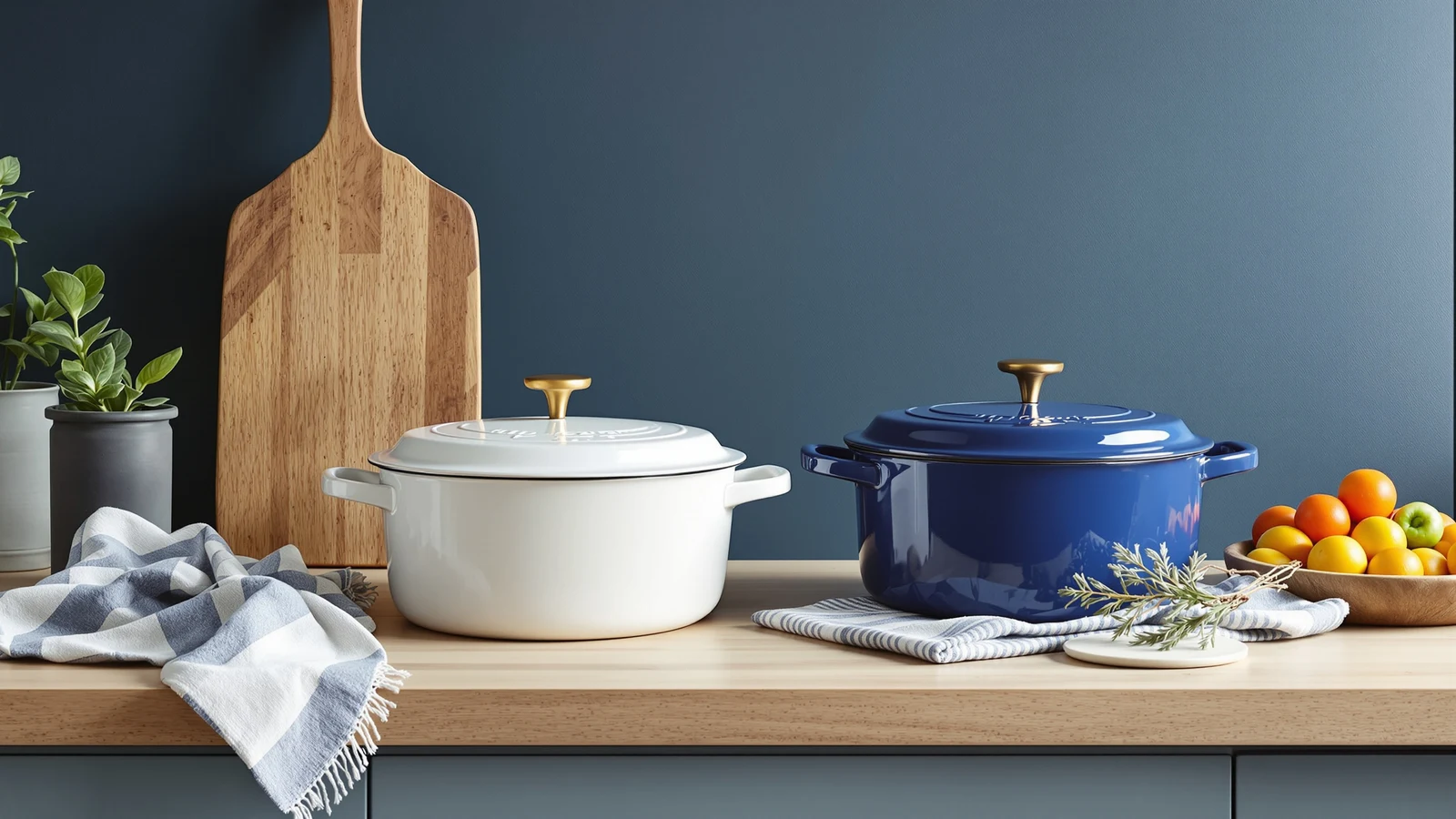
Martha Stewart and Other Named-Brand Dutch Ovens: Is the Name Worth It?
A homeware name and a slow-cooker brand have both put their label on a cast iron pot that looks, on paper, like everyone else's. What the name actually buys once you compare the published specs line by line.
 Comparison
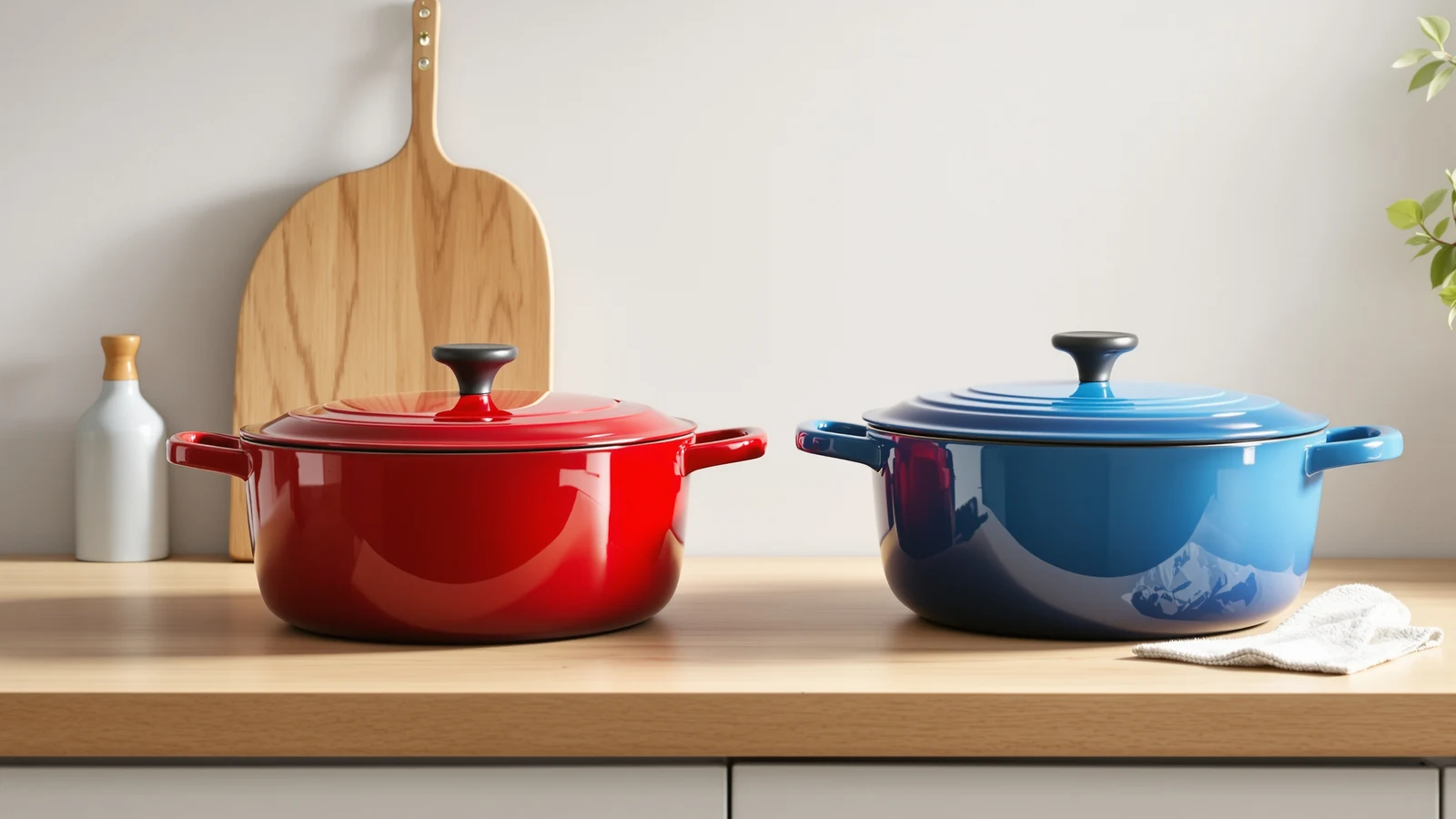
Ceramic Non-Stick Dutch Ovens vs Enameled Cast Iron: Is Either Actually Non-Stick?
A handful of listings now call themselves ceramic non-stick instead of enameled cast iron. The coating is genuinely different chemistry, and it changes what you can and cannot do with metal utensils.
 Buying guide
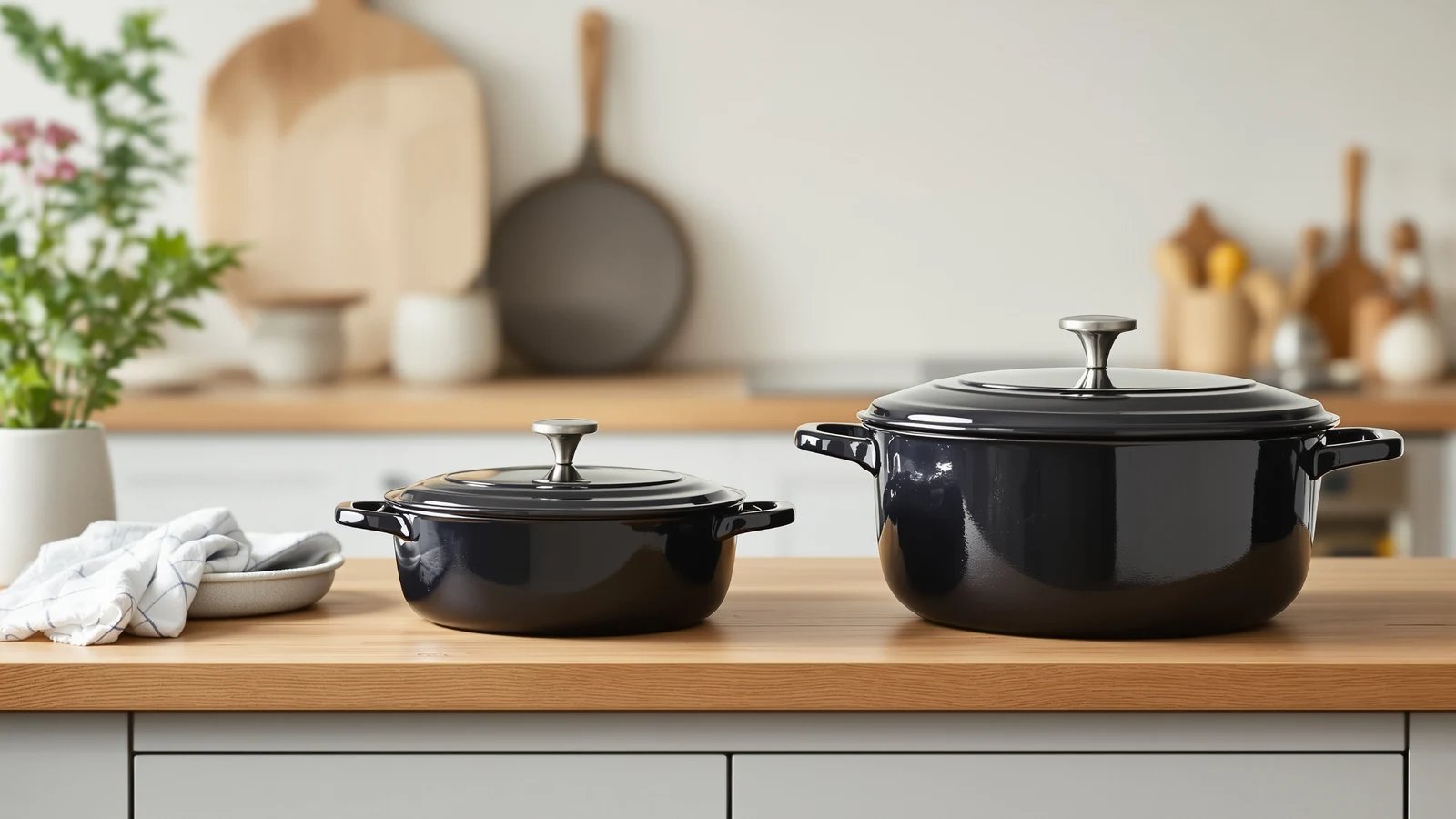
Wide, Shallow Dutch Ovens: What a 3.5-Quart "Wide" Pot Is Actually For
Le Creuset sells a 3.5-quart pot in two different shapes: a standard round and a wider, shallower profile. The shallow version is not a smaller pot, it is a different job.
 Roundup
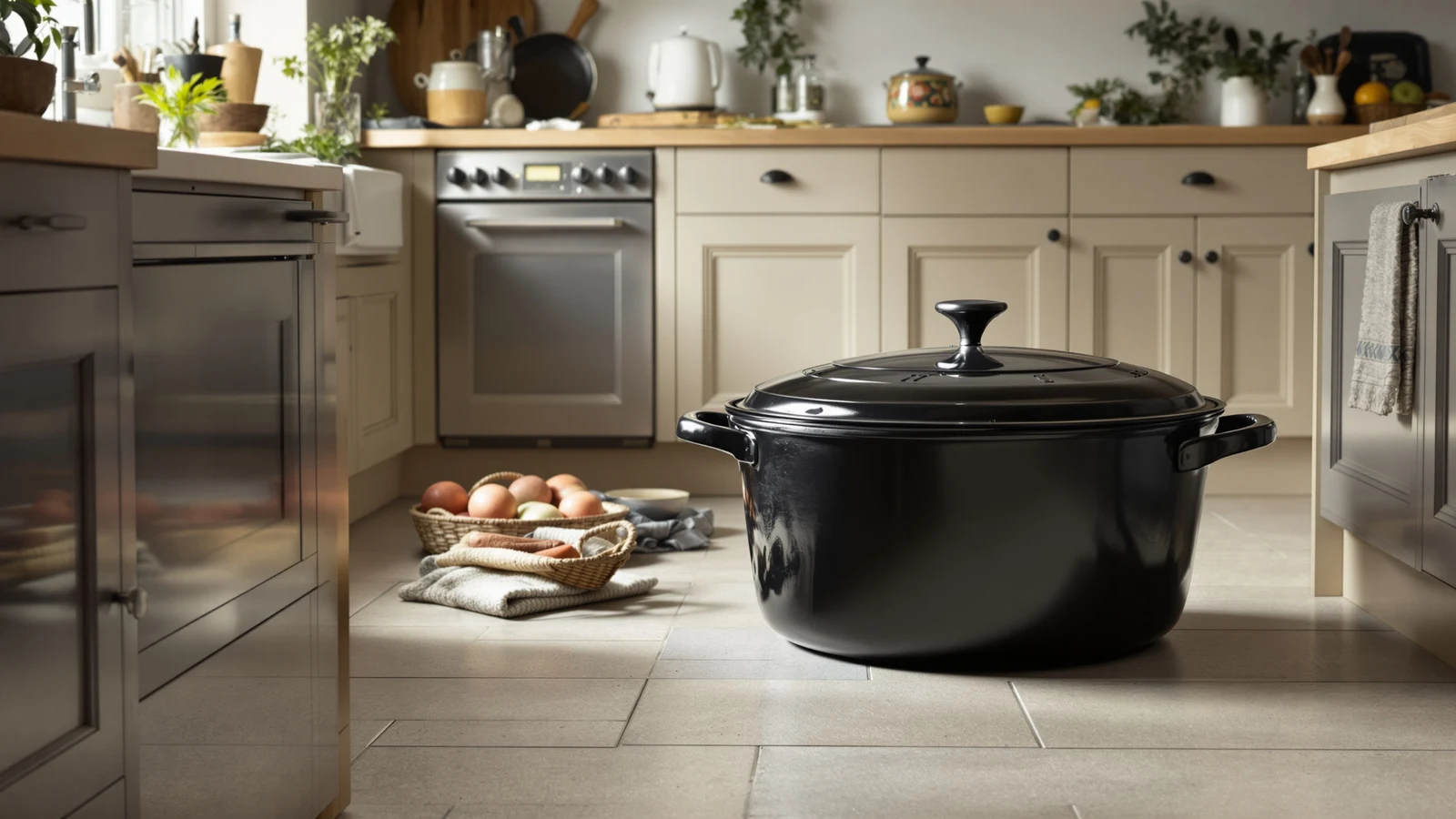
The Best Jumbo Dutch Ovens for Feeding a Crowd
Nine quarts and up is a different category of pot: too big for a weeknight stew, exactly right for a holiday turkey or a double batch of chili. Where jumbo sizing actually starts, and what it costs in counter space.
 Roundup
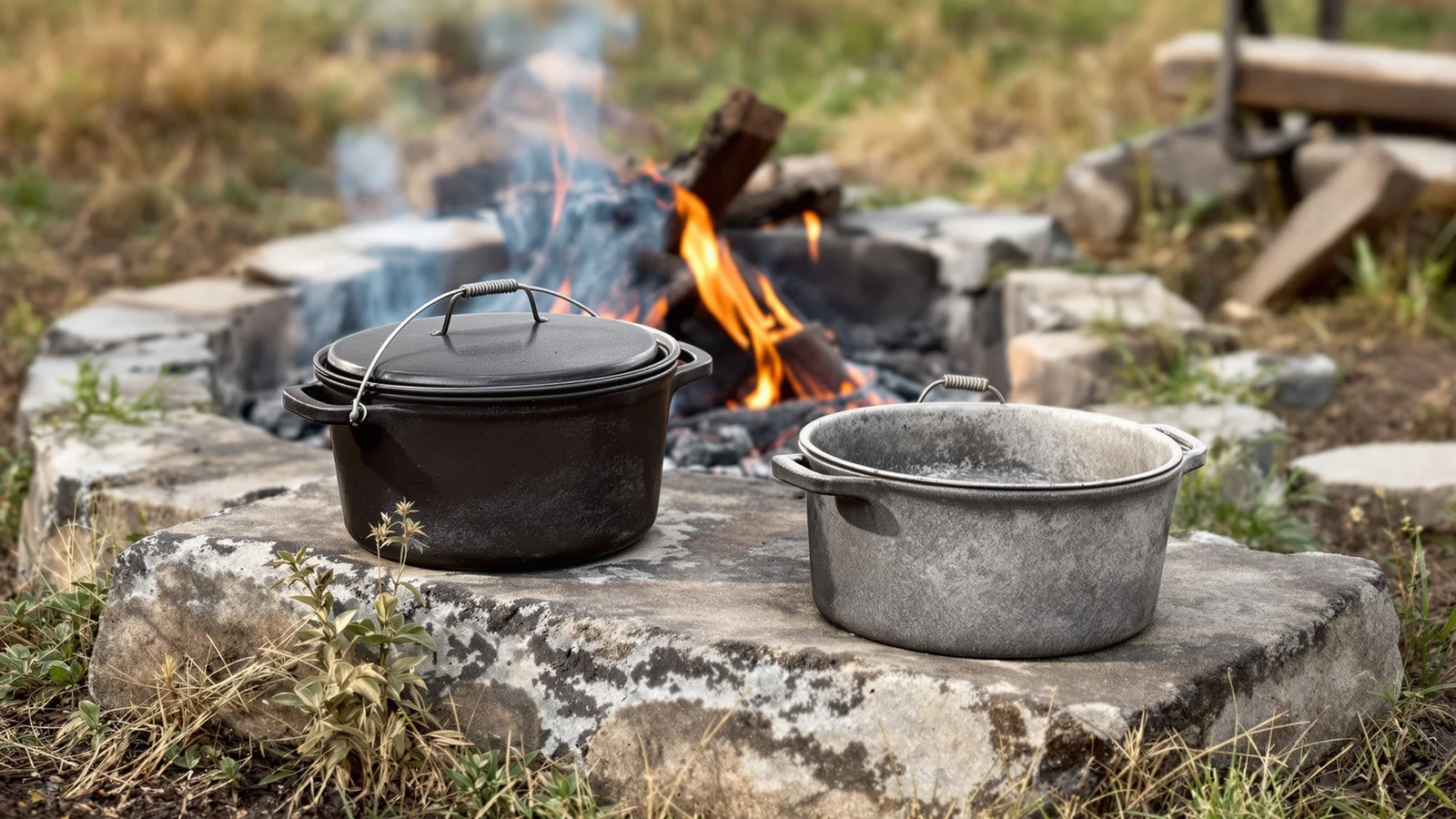
The Best Dutch Ovens for Camping and Campfire Cooking
A pot built for a stovetop is not built for coals. These three are bare cast iron with a bail handle or integrated legs, the two features that actually matter once the cooking moves outdoors.
 Honest take
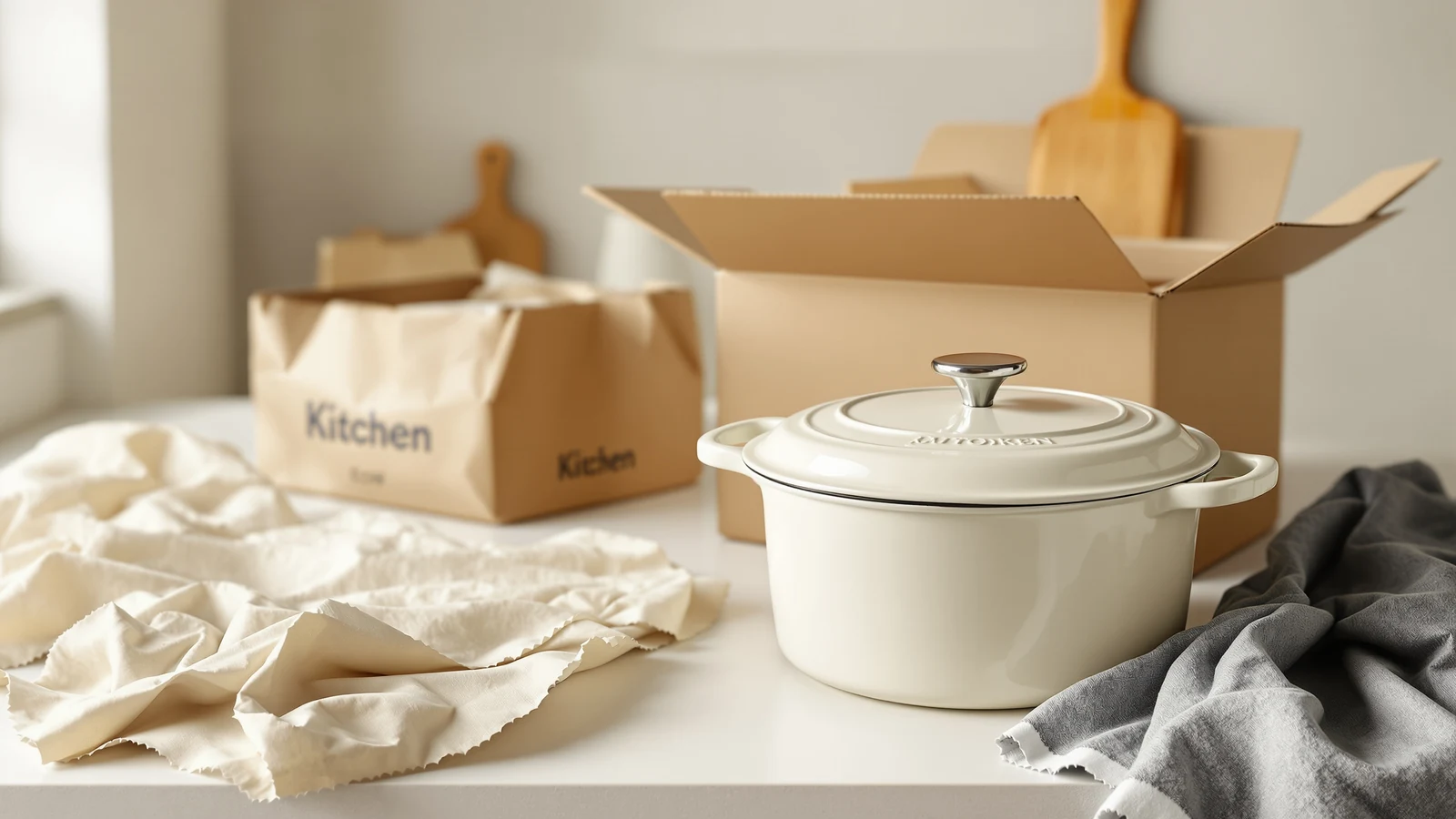
Your Dutch Oven Arrived Chipped or Cracked: What to Do Before You Even Cook With It
Thirty pounds of cast iron in a cardboard box survives most of the trip, but the enamel rim is the first thing to chip if a courier drops it. What to photograph, who to contact, and whether a small chip actually matters.
 How-to
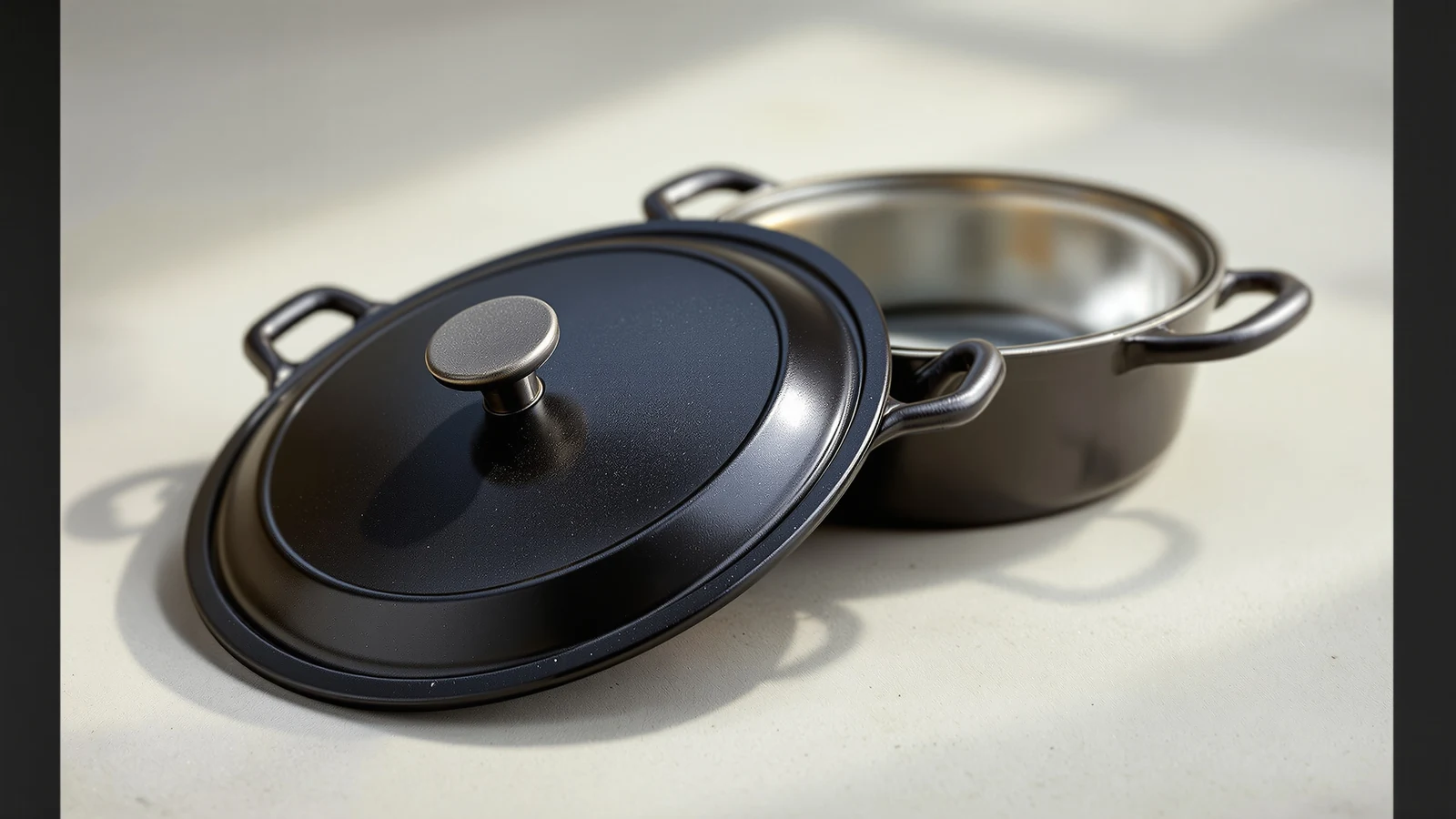
The Knob Cracked or Melted: What to Do With a Damaged Dutch Oven Lid
A phenolic knob left in a 450°F oven too long, or dropped once on a tile floor, is the single most common Dutch oven failure that has nothing to do with the iron. How to tell if it is fixable, and when to just replace it.
 Comparison
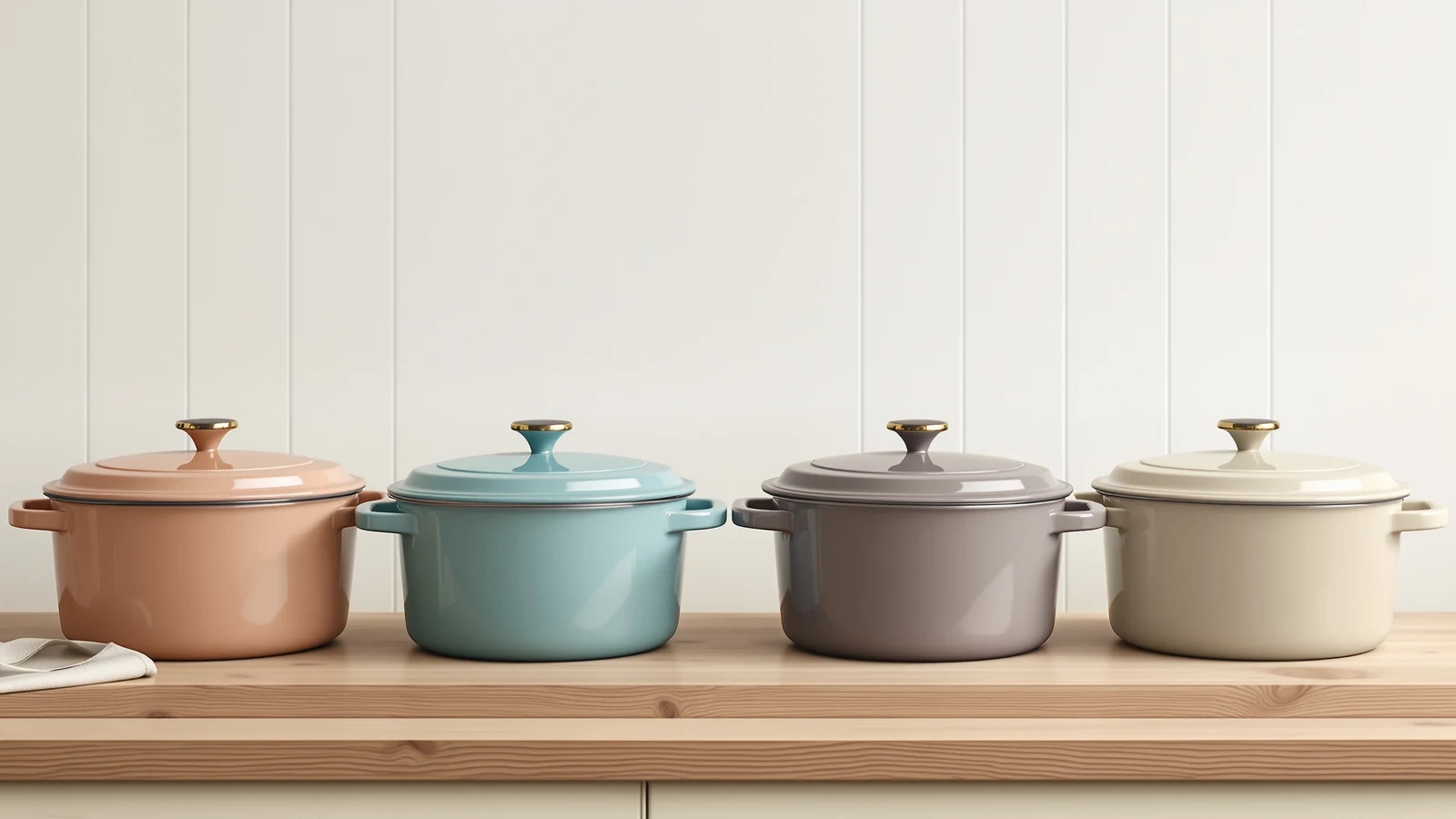
Same Six Quarts, Four Different Prices: What Actually Changes?
Four pots, all roughly six quarts, ranging from $42.99 to $89.90. The iron inside is the same iron. What the extra $47 actually buys, line by line.
 Buying guide
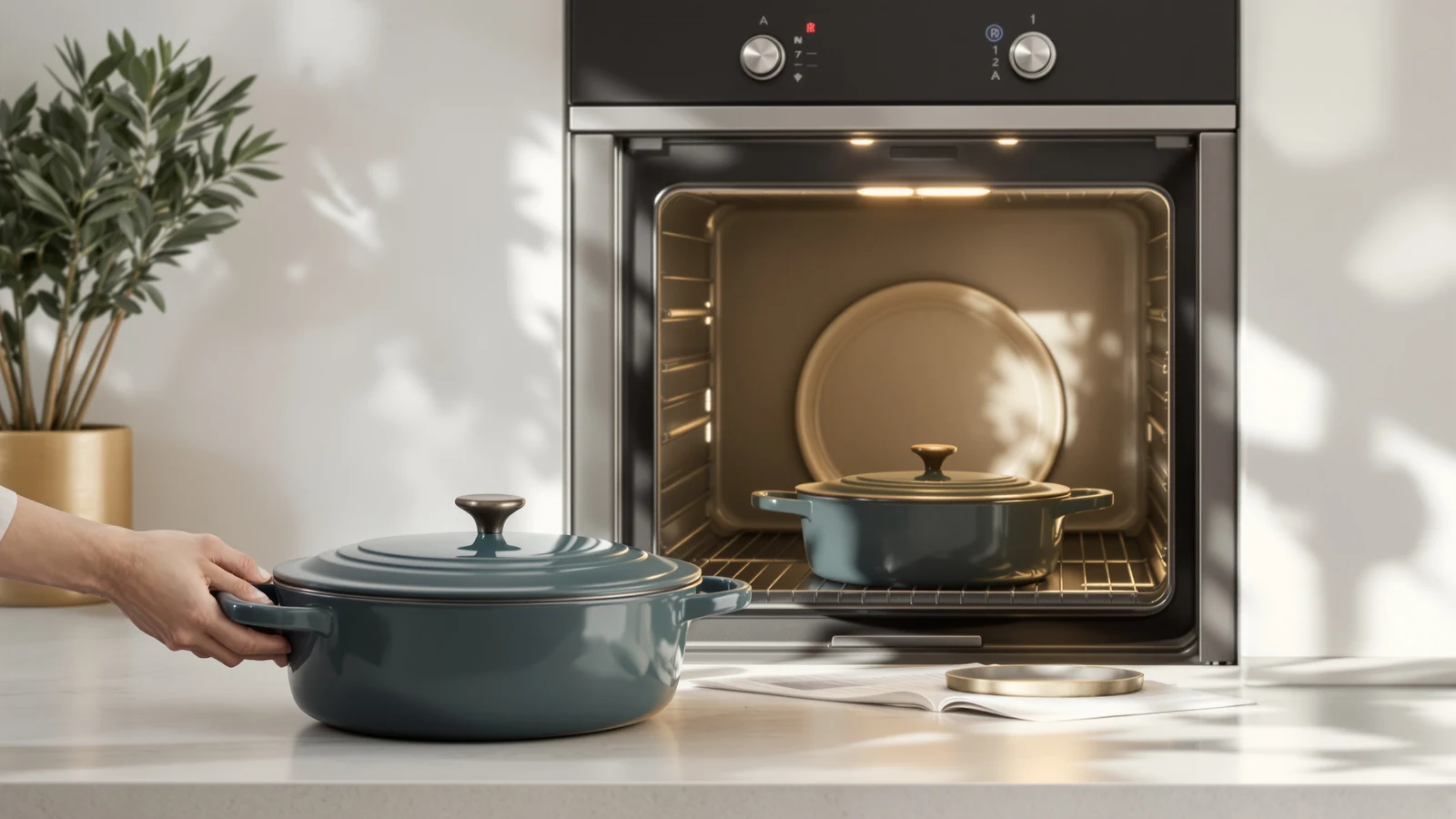
Measure Twice: Will a Dutch Oven Actually Fit Your Oven, Sink or Dishwasher?
A 7.5-quart Lodge is nearly 13 inches across with the handles, wider than plenty of kitchen sinks and taller than most dishwasher racks. The three measurements to take before you order, not after it arrives.
 How-to
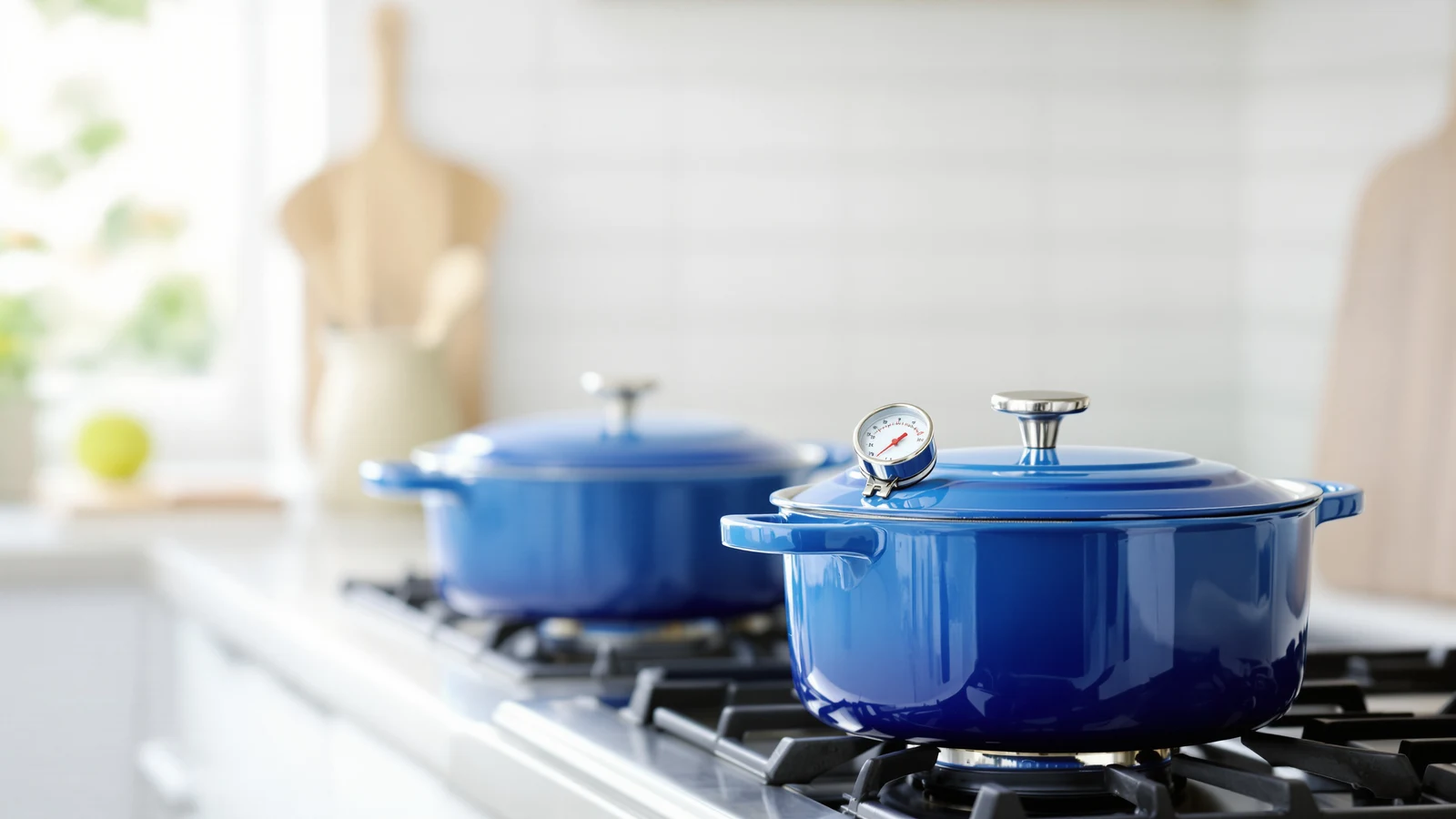
Deep Frying in an Enameled Dutch Oven: Is It Actually Safe?
The high, straight sides and heavy base that make a Dutch oven good at braising also make it good at holding oil at a steady 350°F. The three things to check on a listing before you fill one with three quarts of oil.
 Honest take
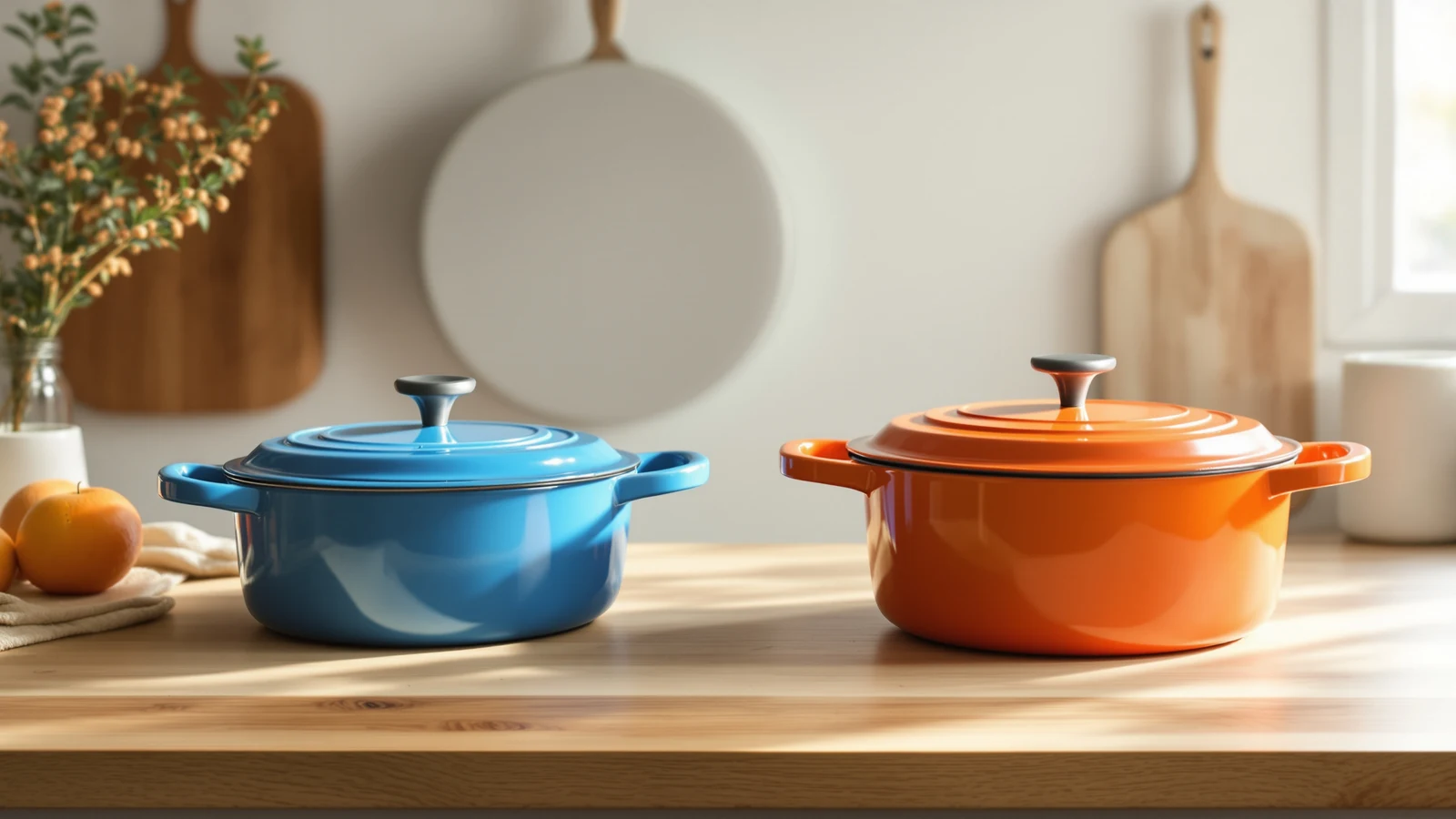
The Real Cost Per Year: Is a $300 Dutch Oven Actually Cheaper Than Five Budget Pots?
A Le Creuset at $310.99 outlives its own lifetime warranty by decades; a $37.99 CAROTE is honestly built for a few hard years. Run the amortized math and the premium pot often wins, but only if you actually keep it that long.
 Honest take
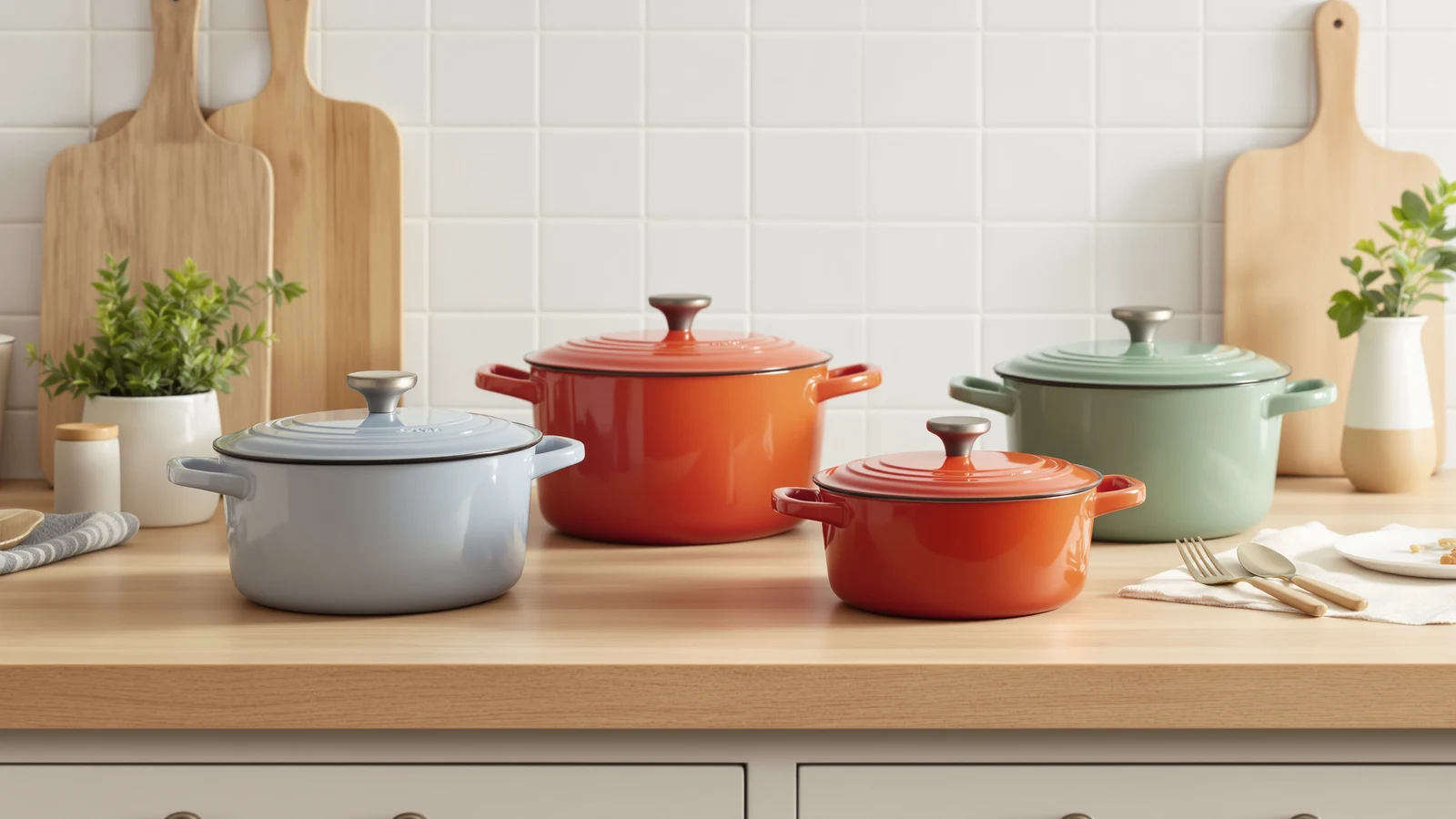
Cocotte, Casserole, French Oven: Why the Same Pot Has Four Names
Staub calls it a cocotte. Le Creuset calls the same shape a cocotte too, and also a signature oven. Nuovva just calls it a casserole pot. The names are marketing, not categories, and here is what actually separates them.
 Honest take
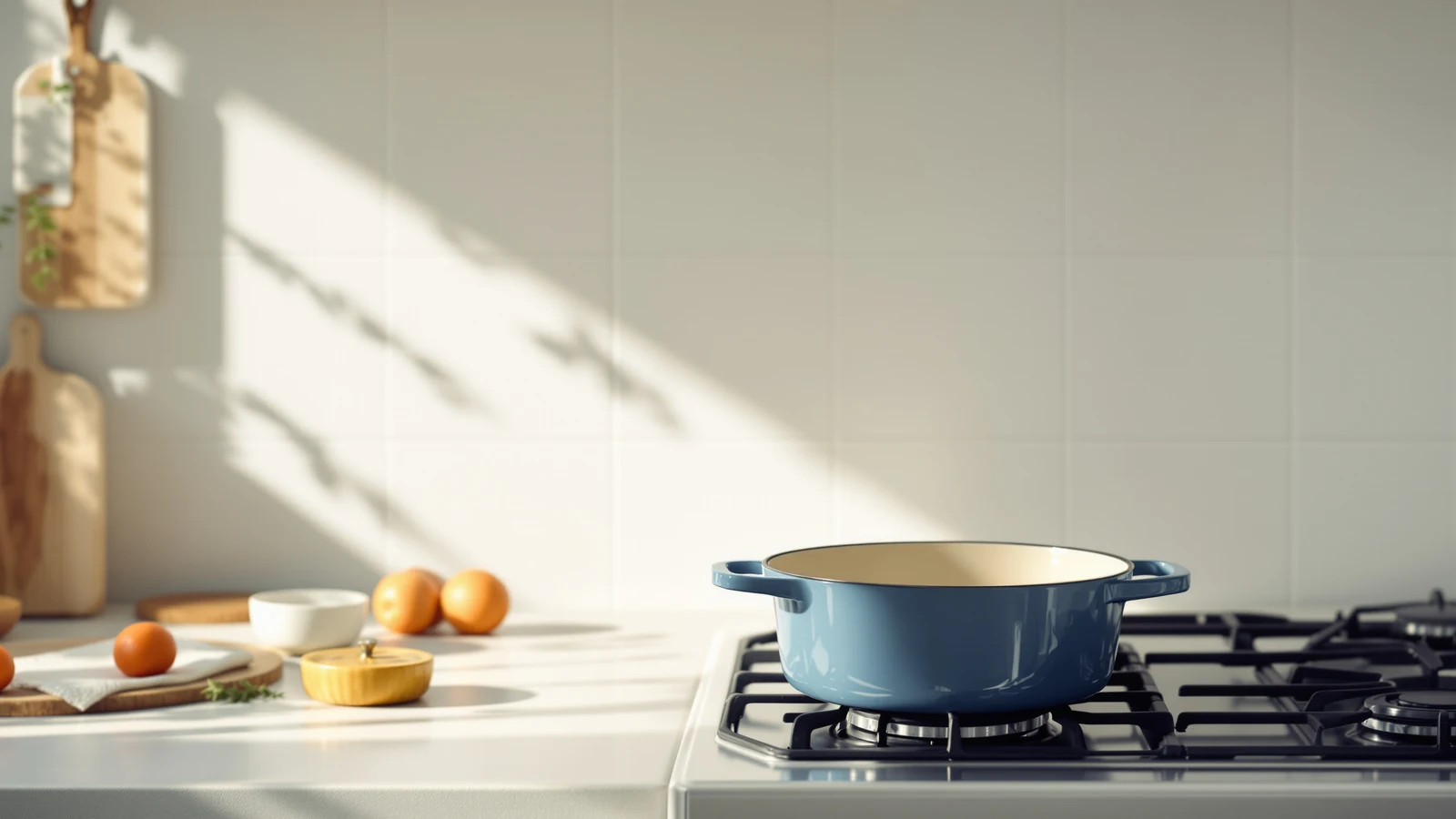
Heat Retention and Searing: The Spec Most Listings Don't Mention
Capacity and colour are on every listing. Wall thickness, the thing that actually decides how well a pot holds heat through a cold steak, almost never is.
 Honest take
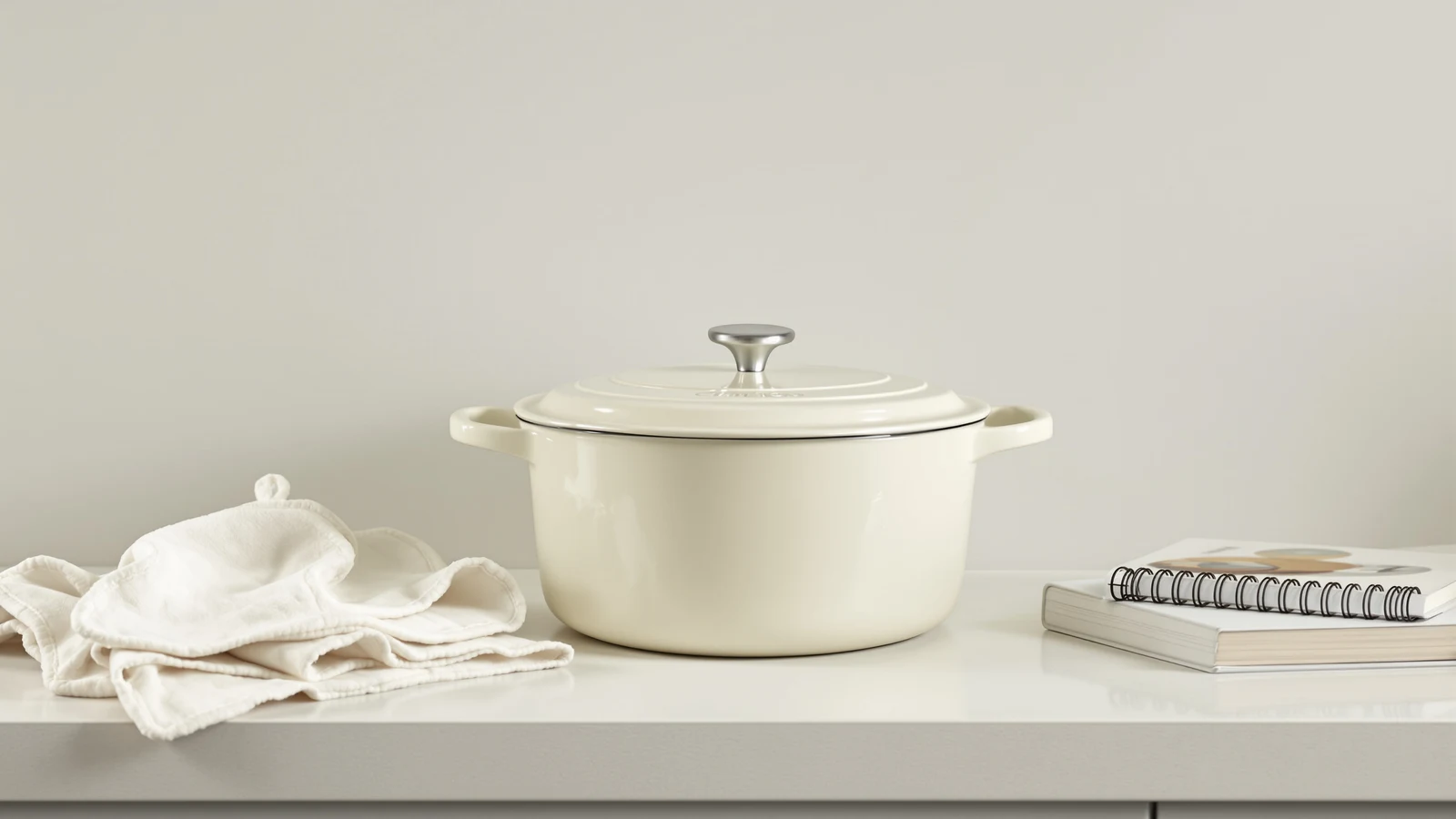
Dutch Ovens That Ship With Potholders: Is the Bundle Worth It?
A handful of listings throw in a cookbook and a pair of cotton potholders. A plain pot like the Mueller DuraCast doesn't bother. What the bundle is actually worth once you price the parts separately.
 Roundup
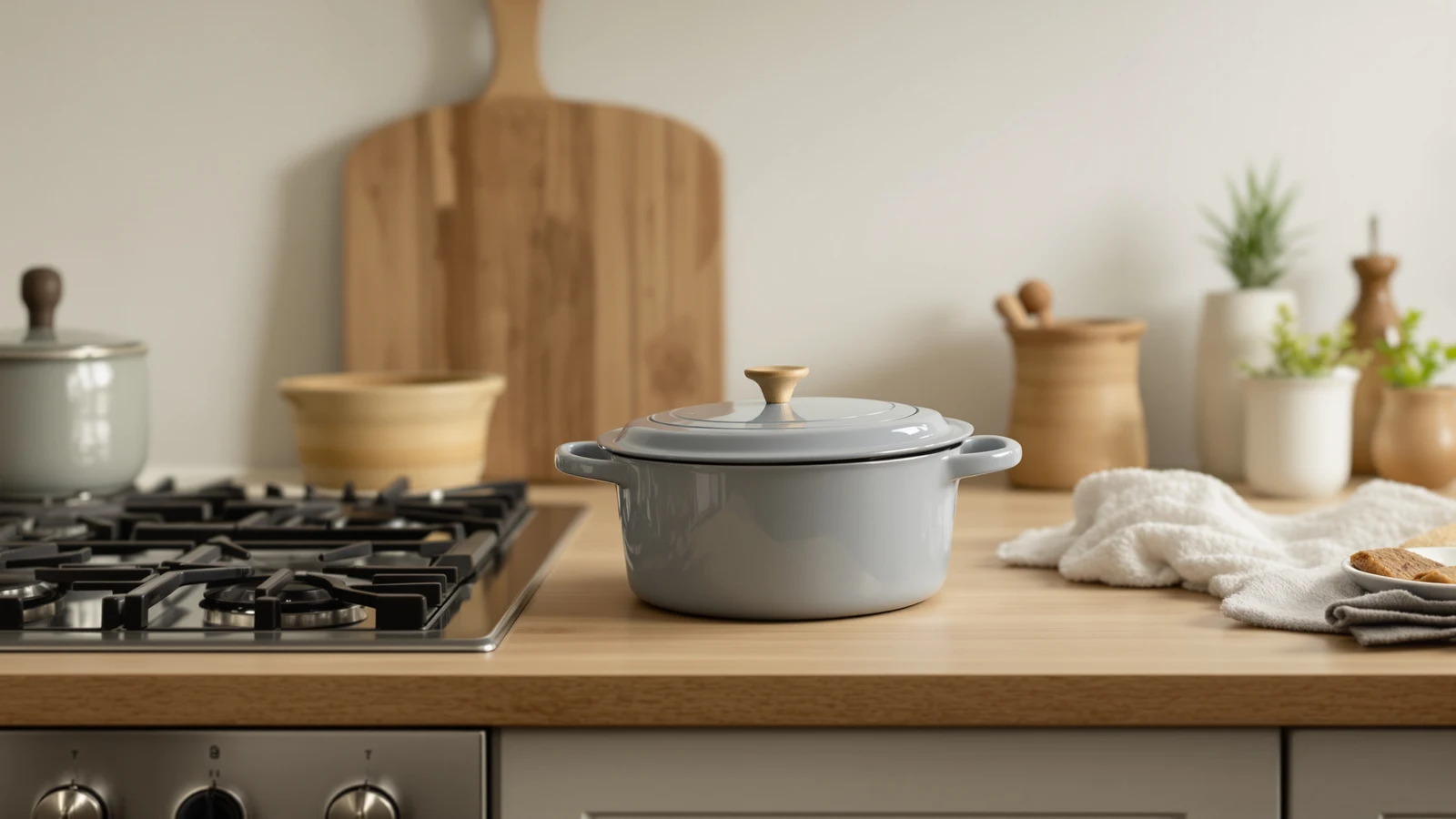
The Best Dutch Ovens for Soup, Chili and Stovetop Simmering
A braise wants a tight lid for hours in the oven. A pot of chili wants room to stir on the stovetop without splashing the counter. Three six-quart pots built for the second job.
 Honest take
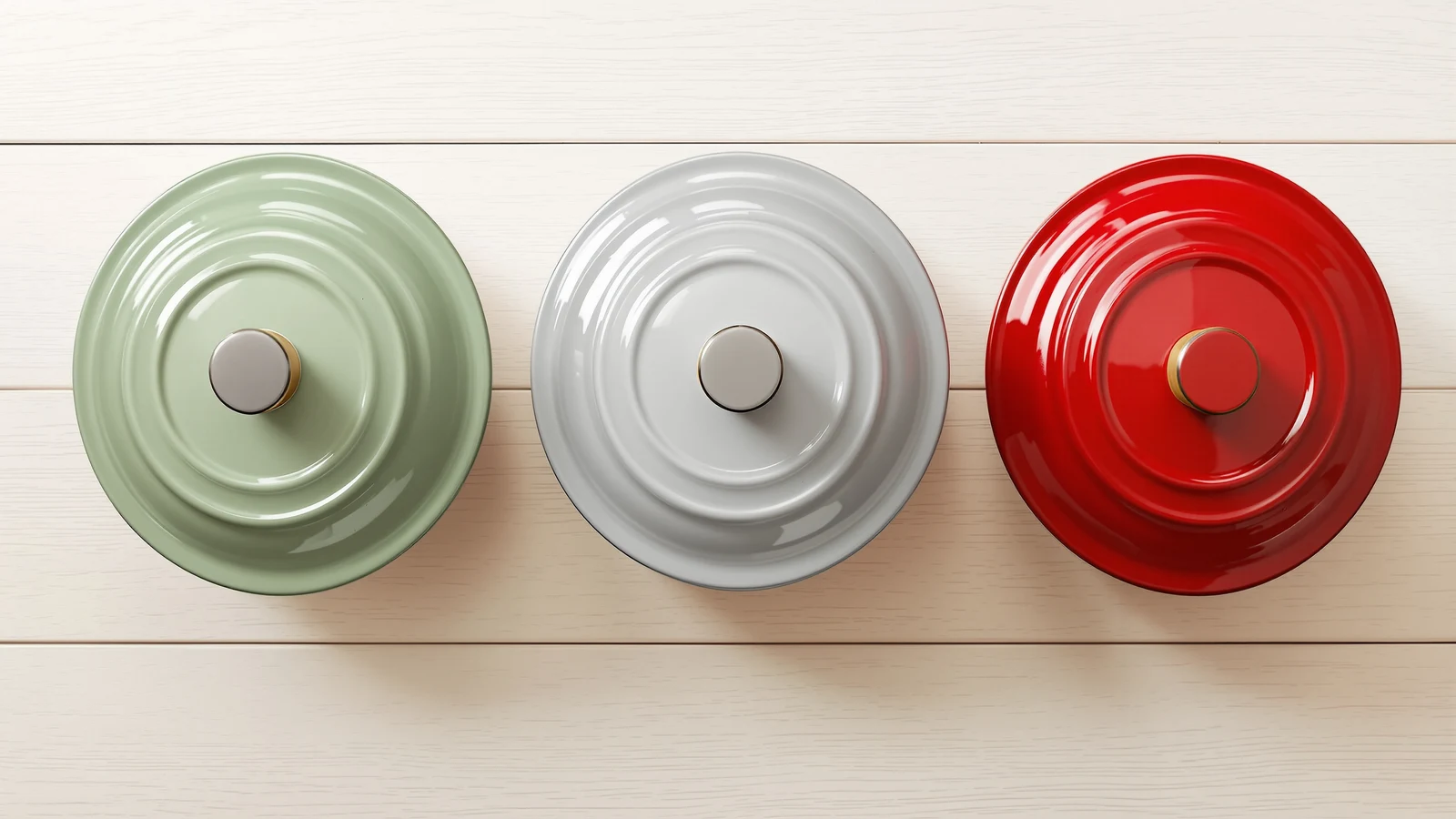
Does Dutch Oven Color Actually Change Anything?
Sage green, grey or red, the iron underneath is identical. What the pigment is, whether dark enamel hides scorch marks better than light, and the one way color really does affect your decision.
 Comparison
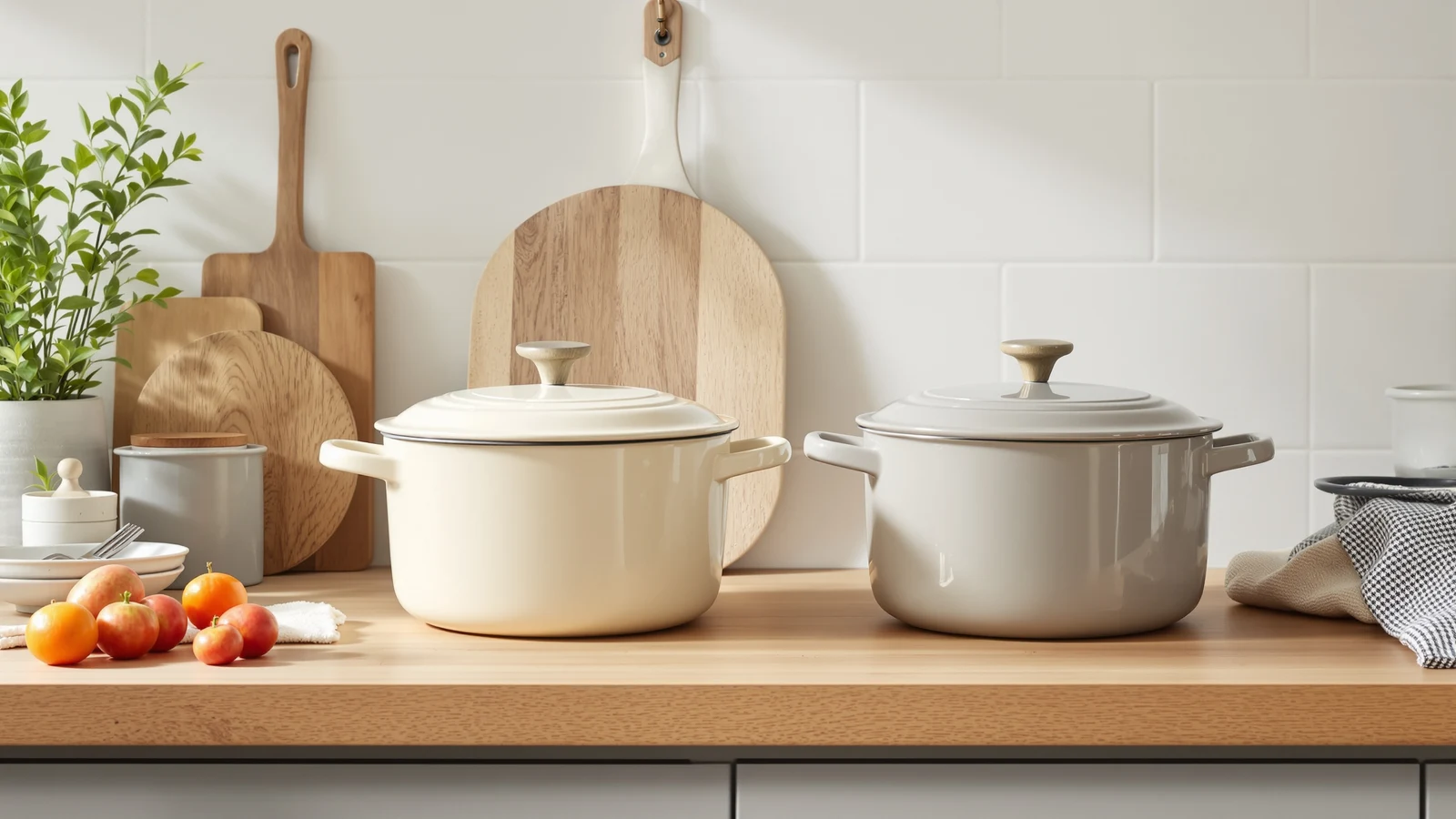
CAROTE vs Amazon Basics: The Entry-Level Dutch Oven Showdown
Under $48, these are two of the cheapest routes into enameled cast iron on Amazon. A floral lid and a plain linen-gray finish, and what each gives up to get there.
 Comparison
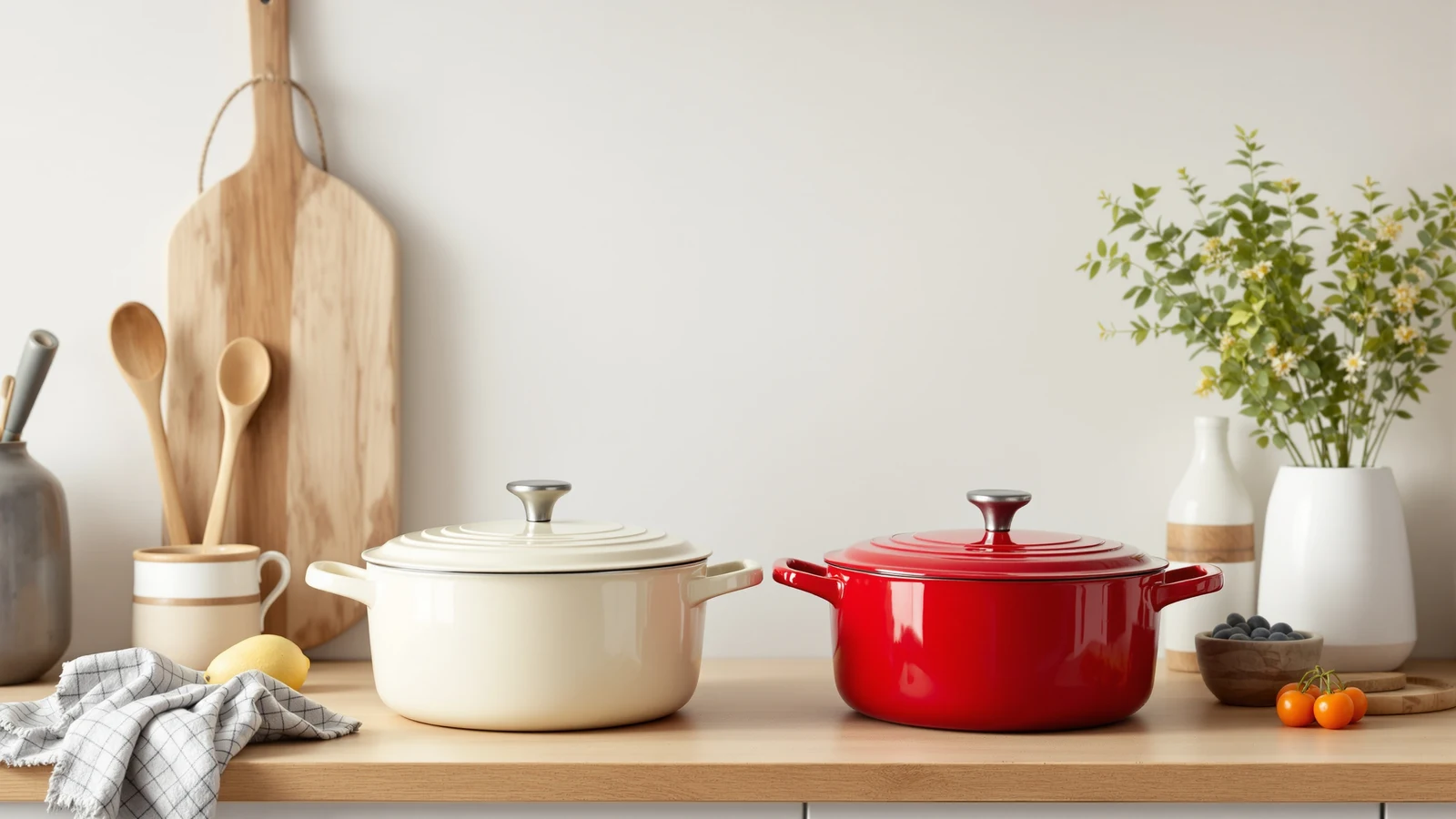
Overmont vs Umite Chef: Two Bundled Budget Lines, Compared
Both brands ship a cookbook or a pair of potholders instead of competing on price alone. What's actually inside the box, and whether the bundle changes which one to buy.
 Comparison
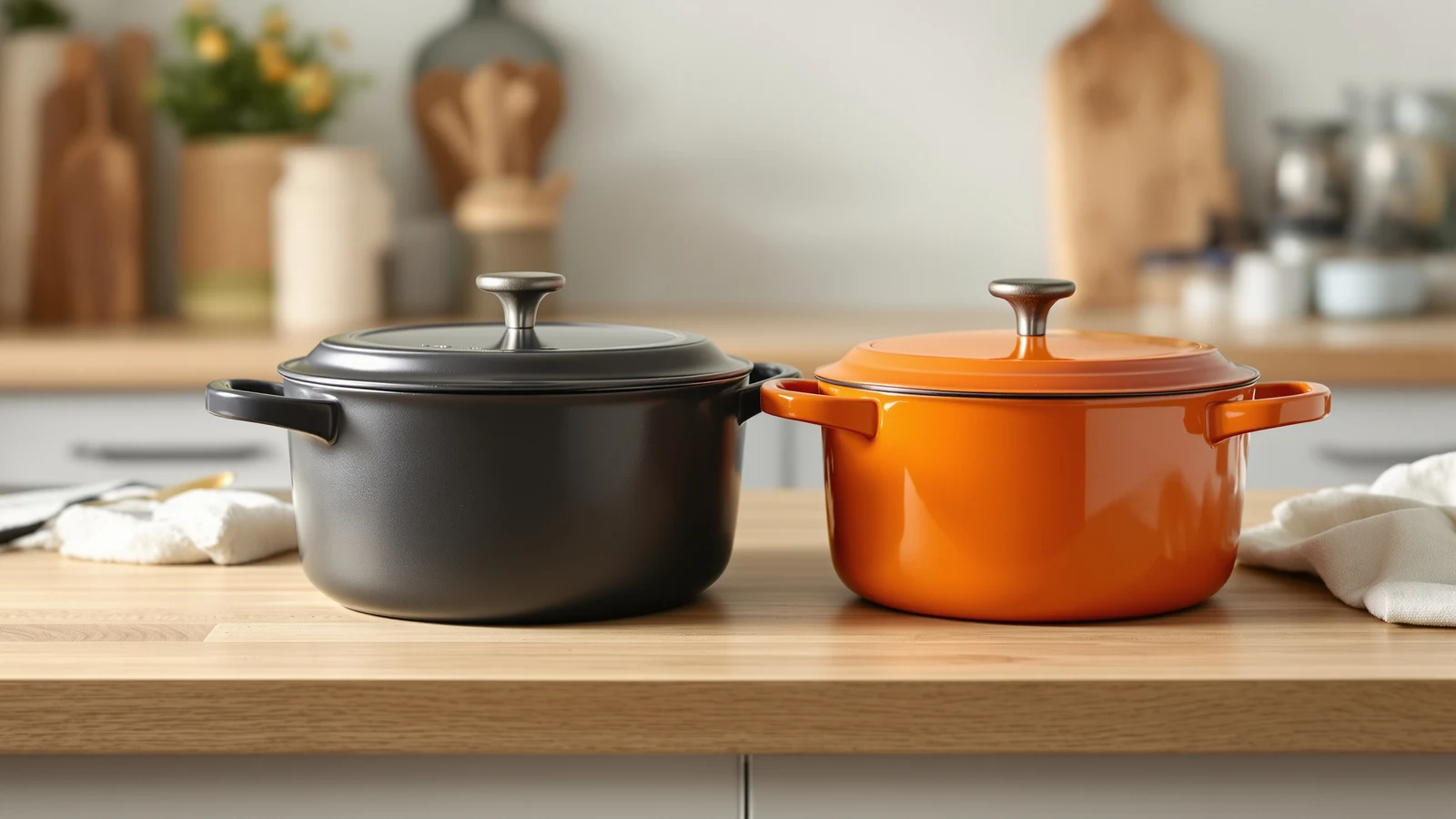
Staub vs Le Creuset: The Two French Names, Compared
Staub's lid rains condensation back onto the food. Le Creuset's doesn't need to. Two French makers, two different engineering answers, and a $30 gap that has nothing to do with quality.
 Roundup
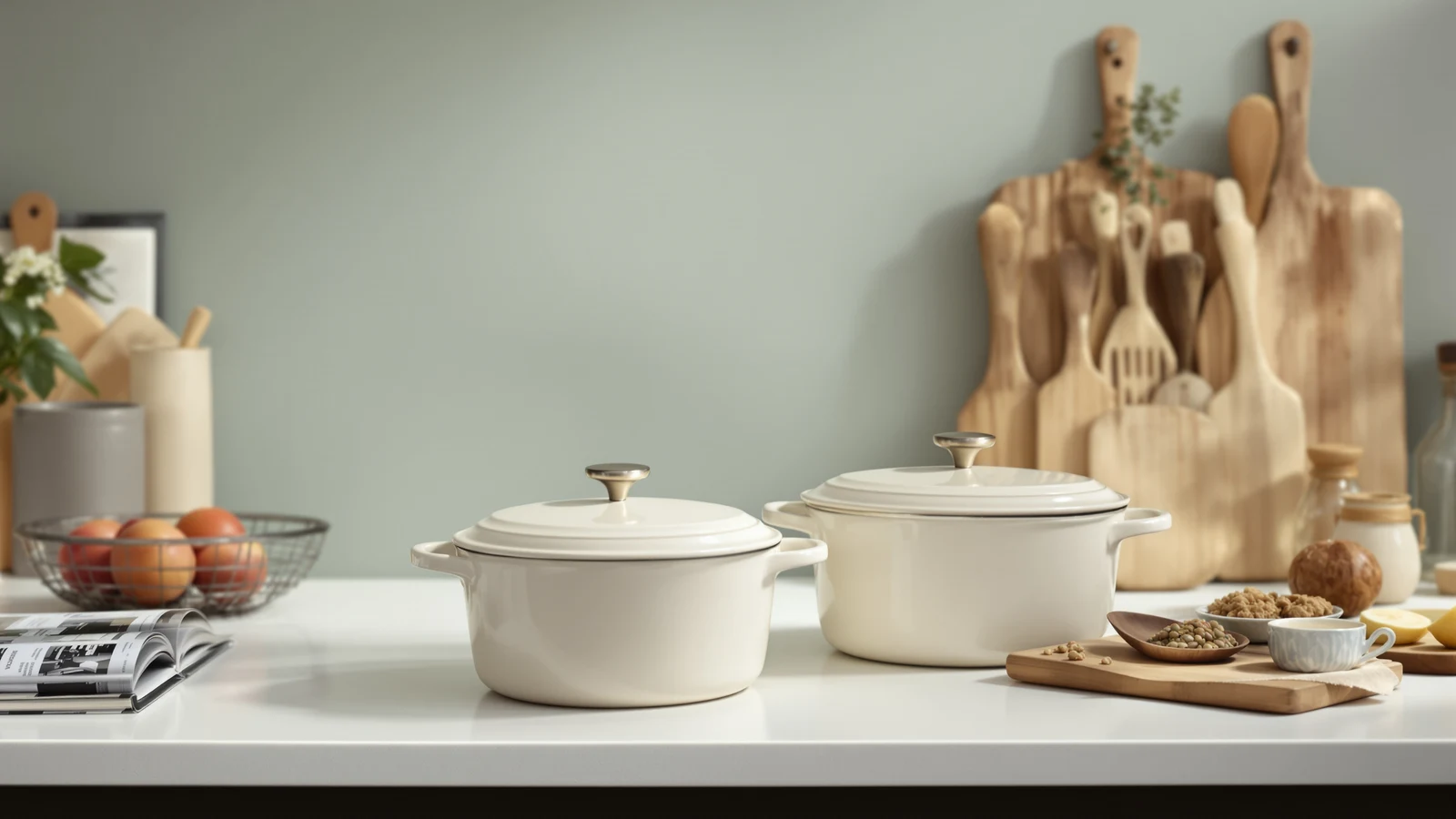
The Best Dutch Ovens for Someone Who Has Never Owned One
No seasoning, no guesswork on temperature, and an enamel that forgives a first mistake. Three pots that make a good first Dutch oven, not a cheap one.
 Honest take
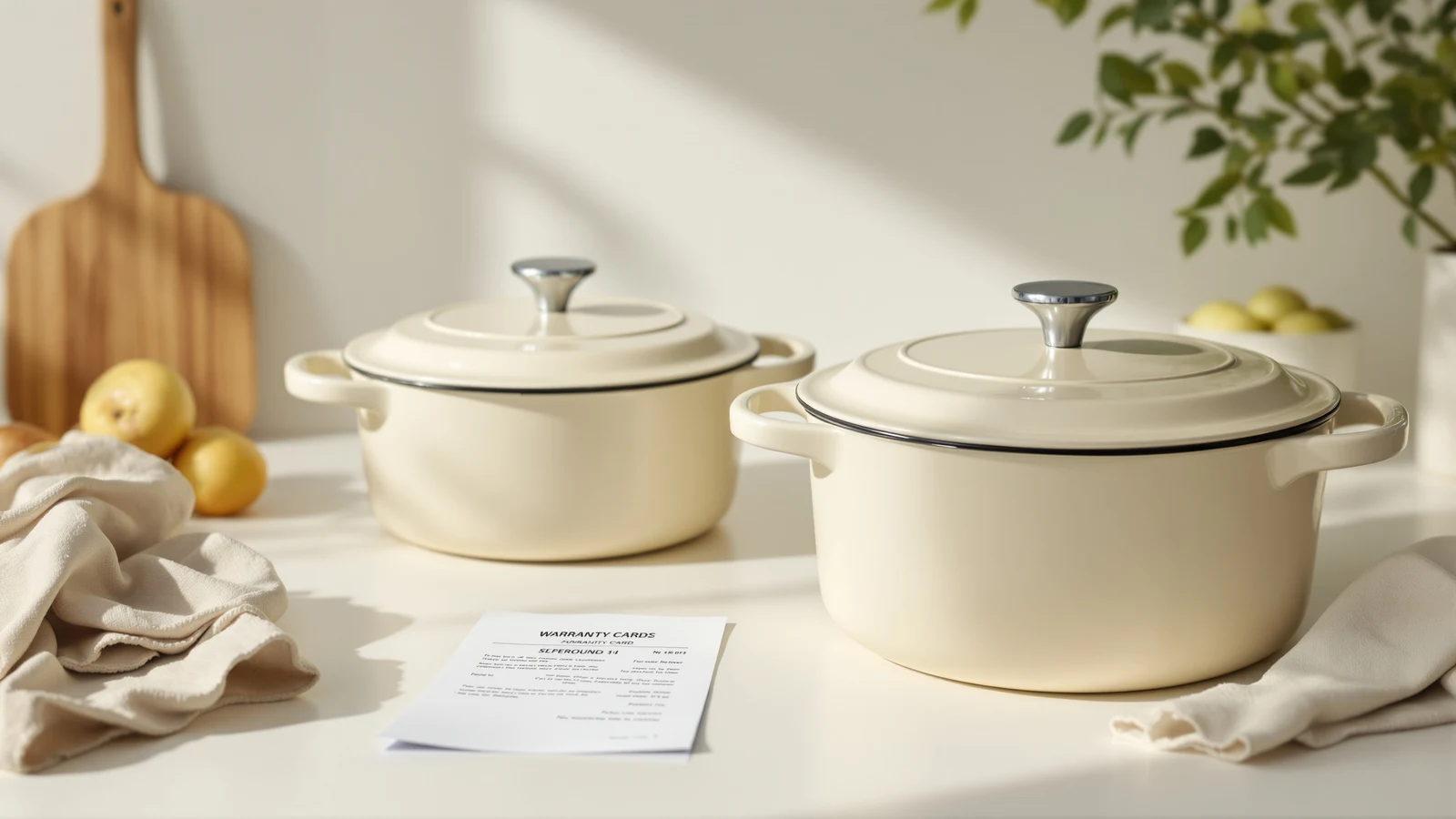
Dutch Oven Warranties: What 'Lifetime' Actually Covers
One brand's lifetime warranty has outlived companies that copied the word without the policy. What is actually covered, what voids it, and what a shorter warranty really costs you.
 Buying guide
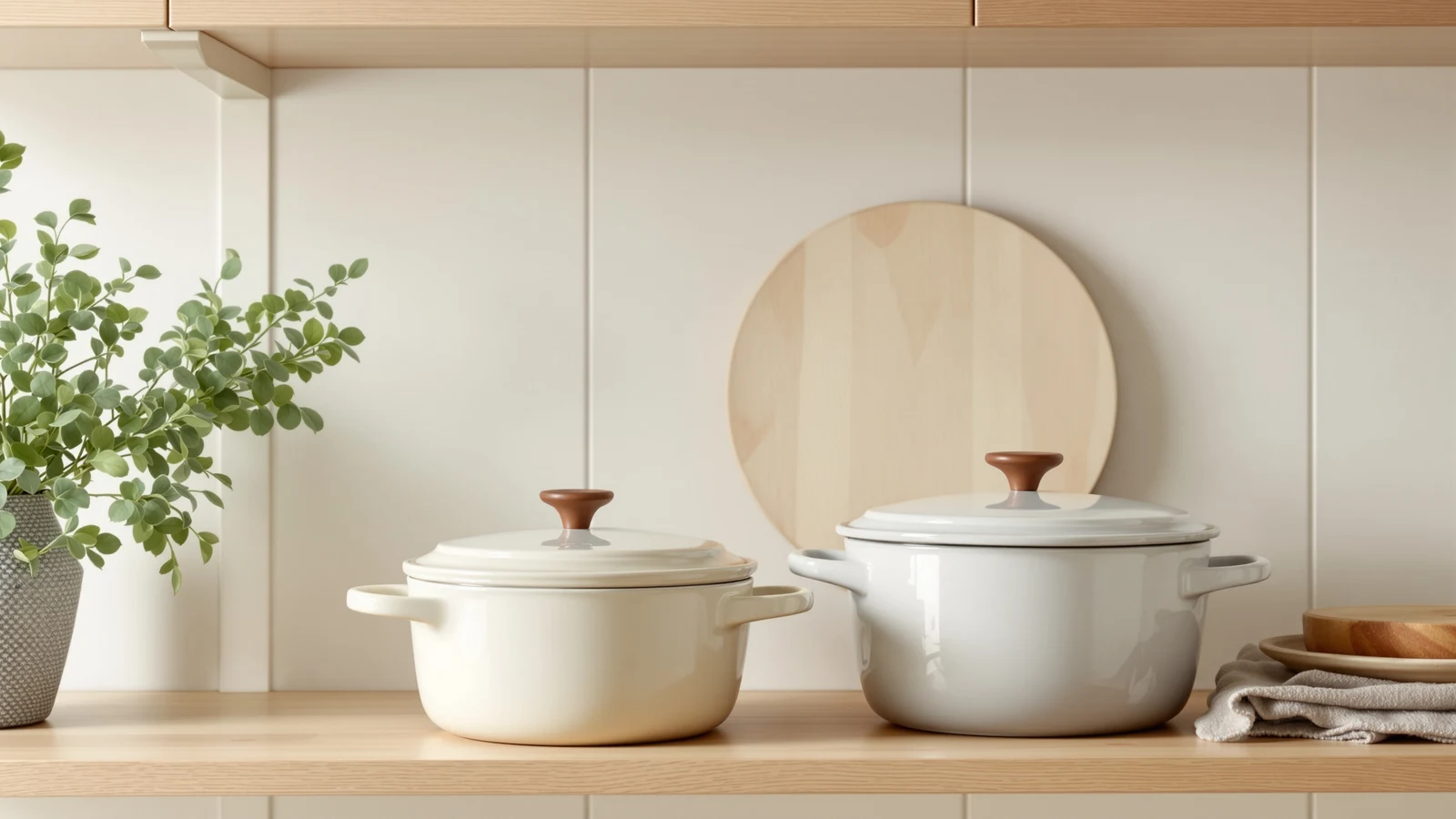
One Dutch Oven or Two? Building a Small Cast Iron Collection
A single six-quart pot covers most weeks. It is the small pot for one person and the big pot for a crowd that turn one Dutch oven into three uses.
 Buying guide
How to Judge a Dutch Oven When Amazon Shows No Star Rating
Plenty of listings in this category carry no visible rating at all. What to read instead: the spec line, the return window, and what the brand has shipped before.
 Honest take
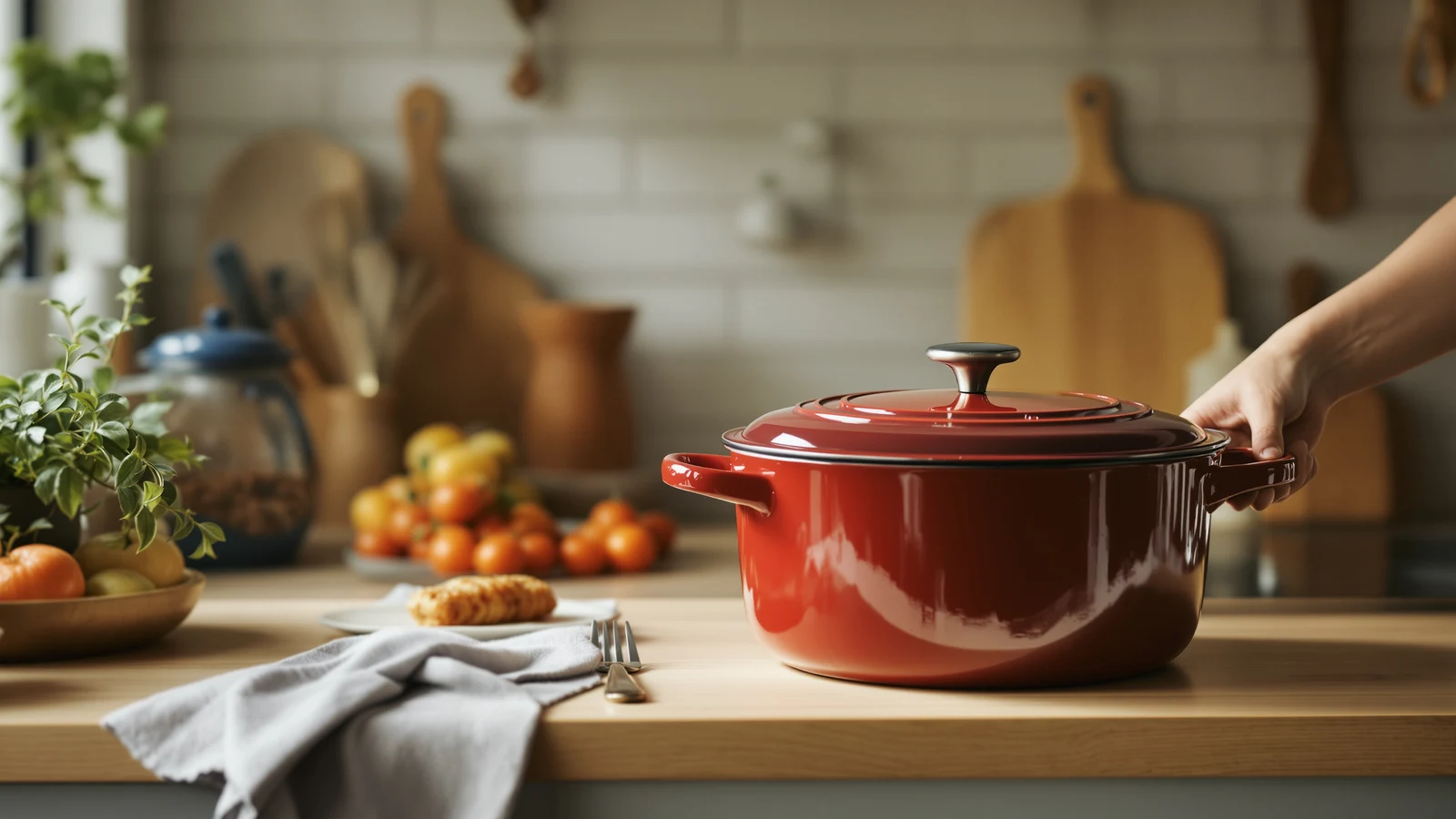
How Much a Dutch Oven Actually Weighs, and Why That Should Change What You Buy
Cast iron does not get lighter because the price goes up. The real numbers, and who should buy a size down before their wrists make the decision for them.
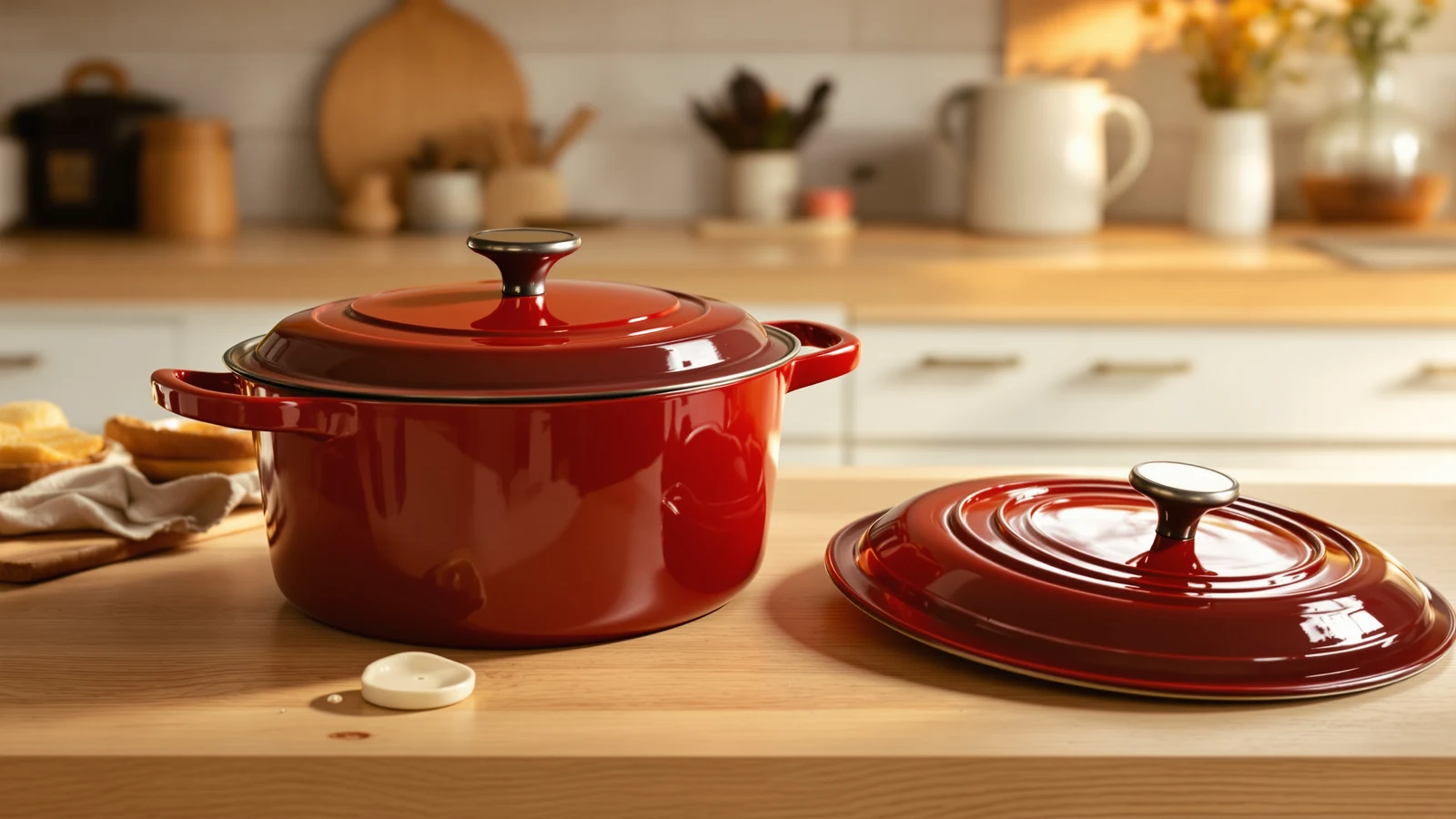 Roundup
The Best Dutch Ovens for a Whole Chicken or a Pot Roast
A bird or a joint needs room to sit flat and a lid that bastes it while it cooks. Three pots sized and shaped for a single roast, not a stew.
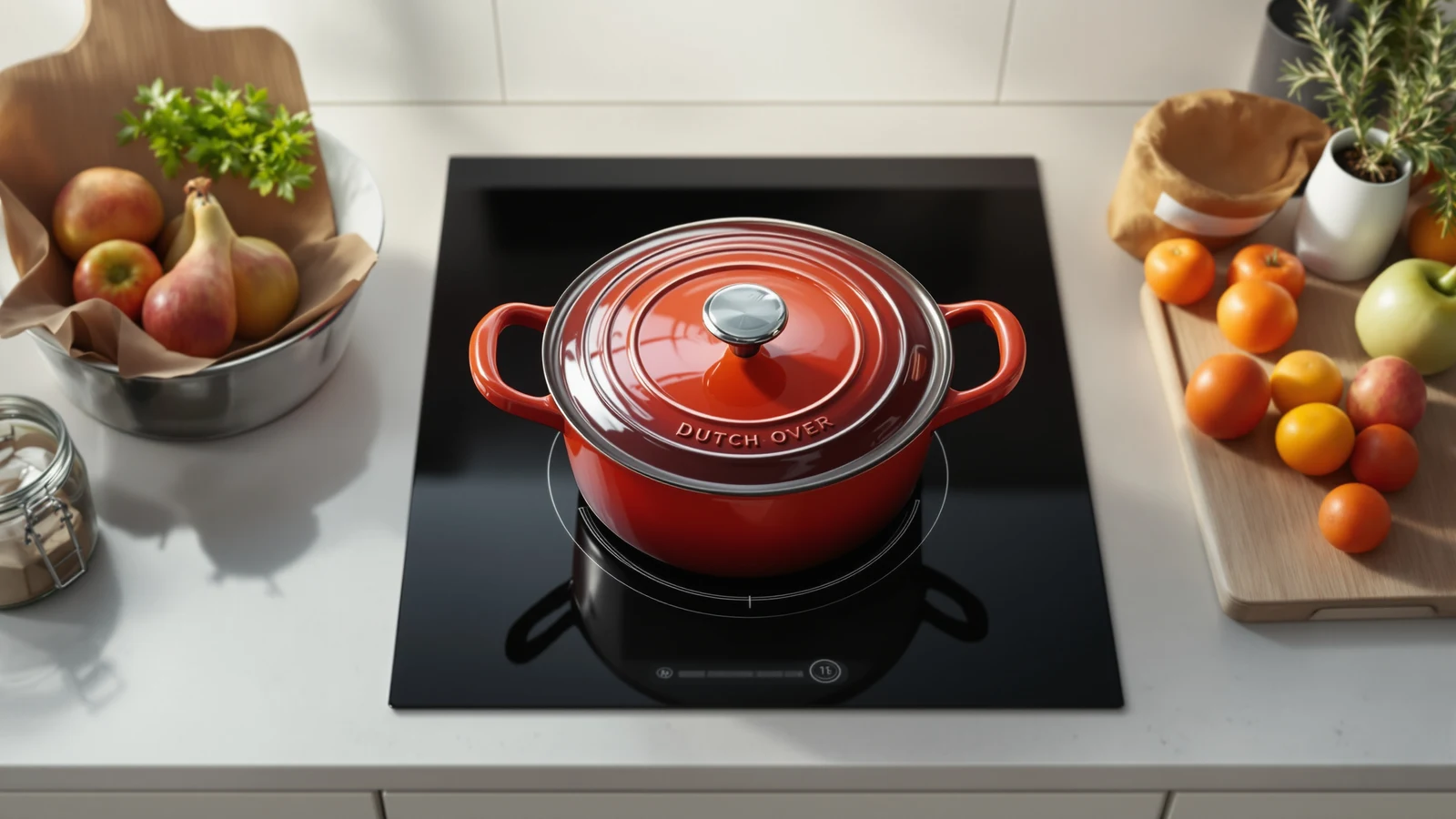 Honest take
Is a Dutch Oven Safe for Your Stovetop? Induction, Glass and Gas, Checked
Most listings say nothing about induction. One of these says it plainly. What the base actually needs to work on your cooktop, and how to check a listing that stays silent.
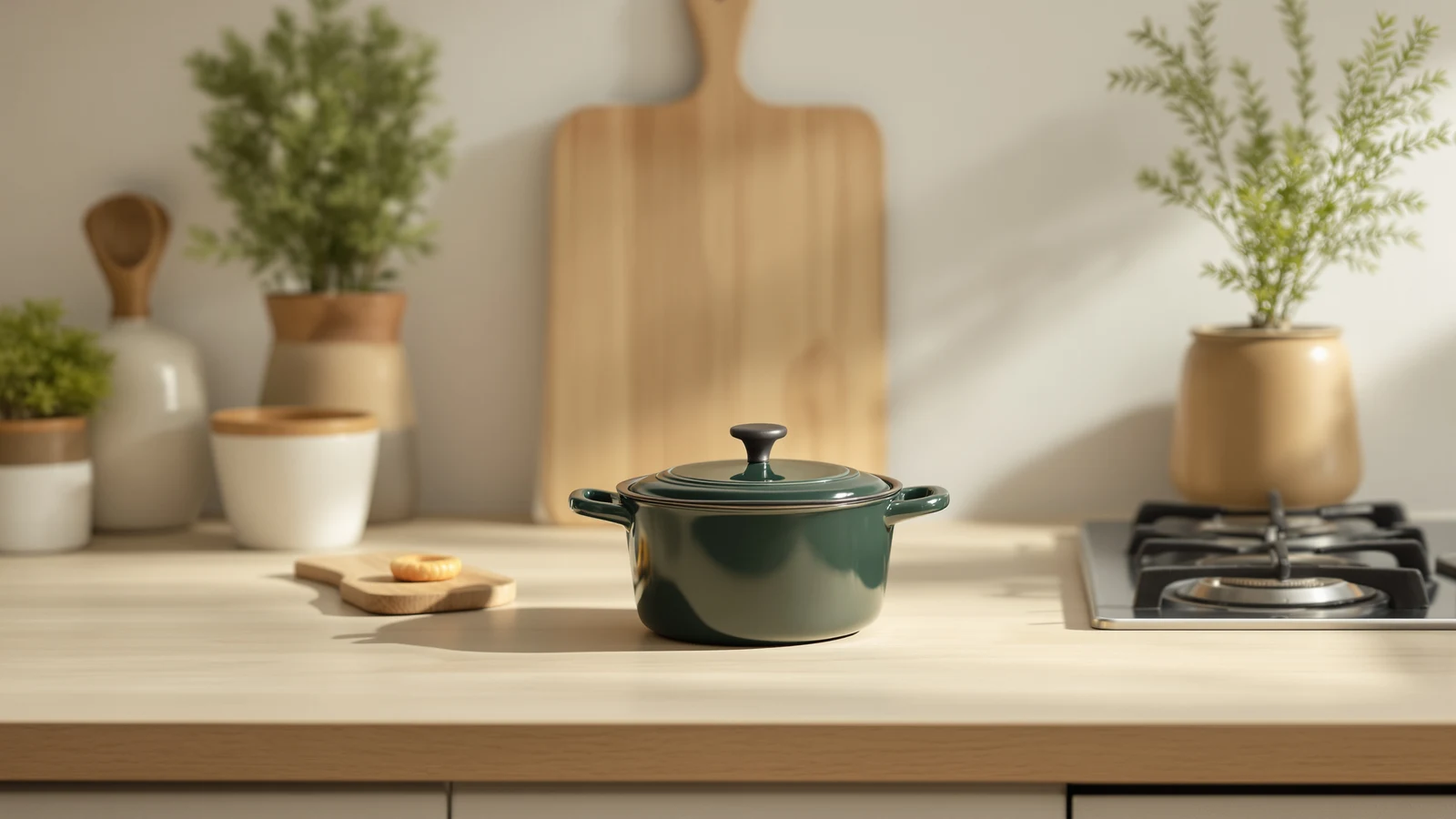 Roundup
The Best Small Dutch Ovens for Tiny Kitchens and Small Ovens
Four quarts fits where six will not: a studio oven, an RV, a single burner. Three small pots, and what you actually lose by going down a size.
 Buying guide
How to Choose a Dutch Oven
Five questions in the order that matters. Answer them and the shortlist writes itself — and the brand is the last of them, not the first.
 Roundup
Cheap Dutch Ovens That Are Still Worth Buying
Under (and just over) fifty dollars the brands become unfamiliar. Three that still publish a capacity, a temperature or a purpose — and what to expect of the enamel.
 Honest take
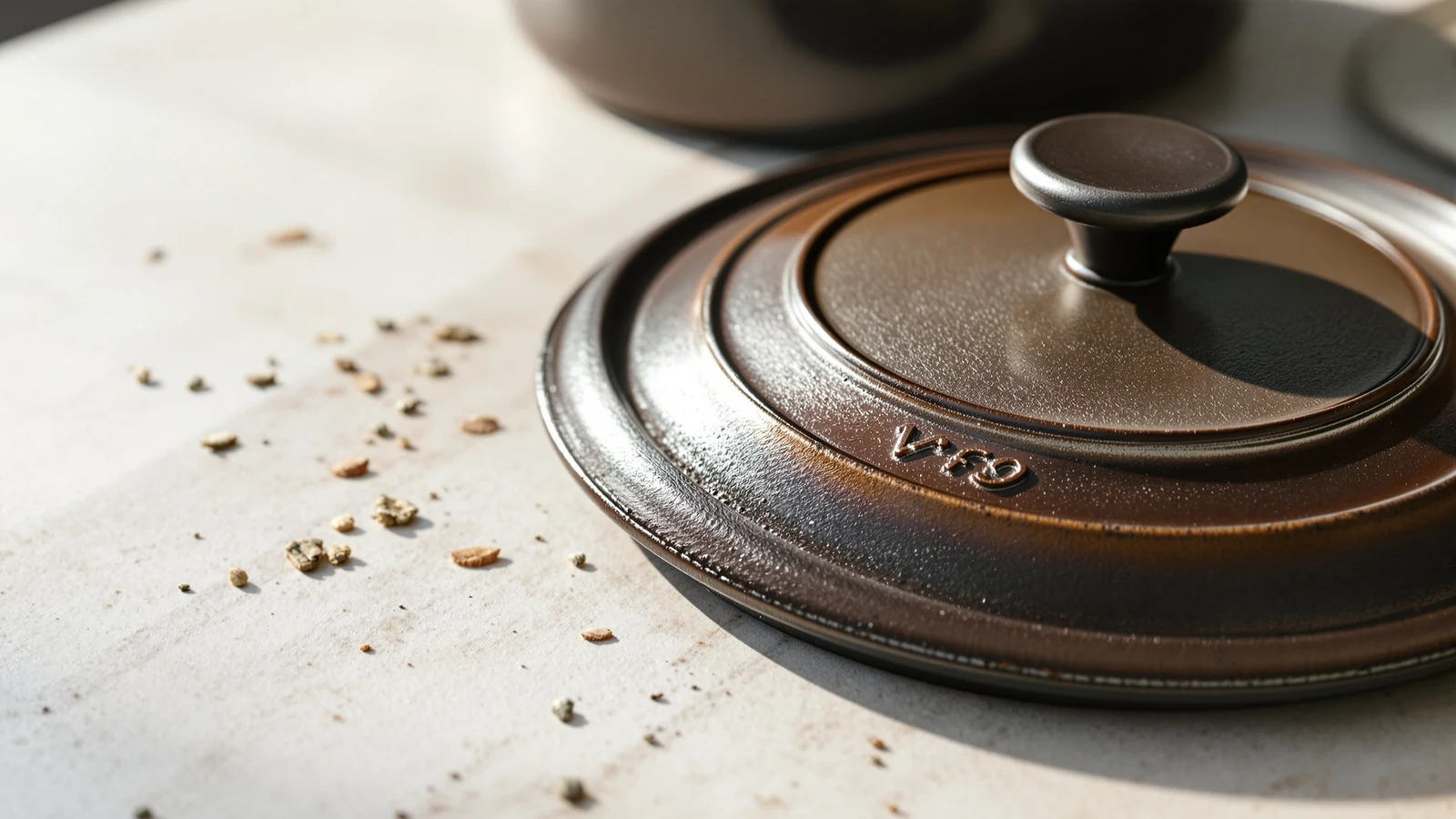
How Hot Can a Dutch Oven Go? Check the Knob, Not the Pot
The iron and the enamel will take more than your recipe asks for. The lid knob usually will not, and almost nobody mentions it.
 Roundup
The Best Dutch Ovens to Give as a Gift
A Dutch oven is the rare gift that gets used weekly for decades — if you pick the right size. What to choose when you have not seen their kitchen.
 Comparison
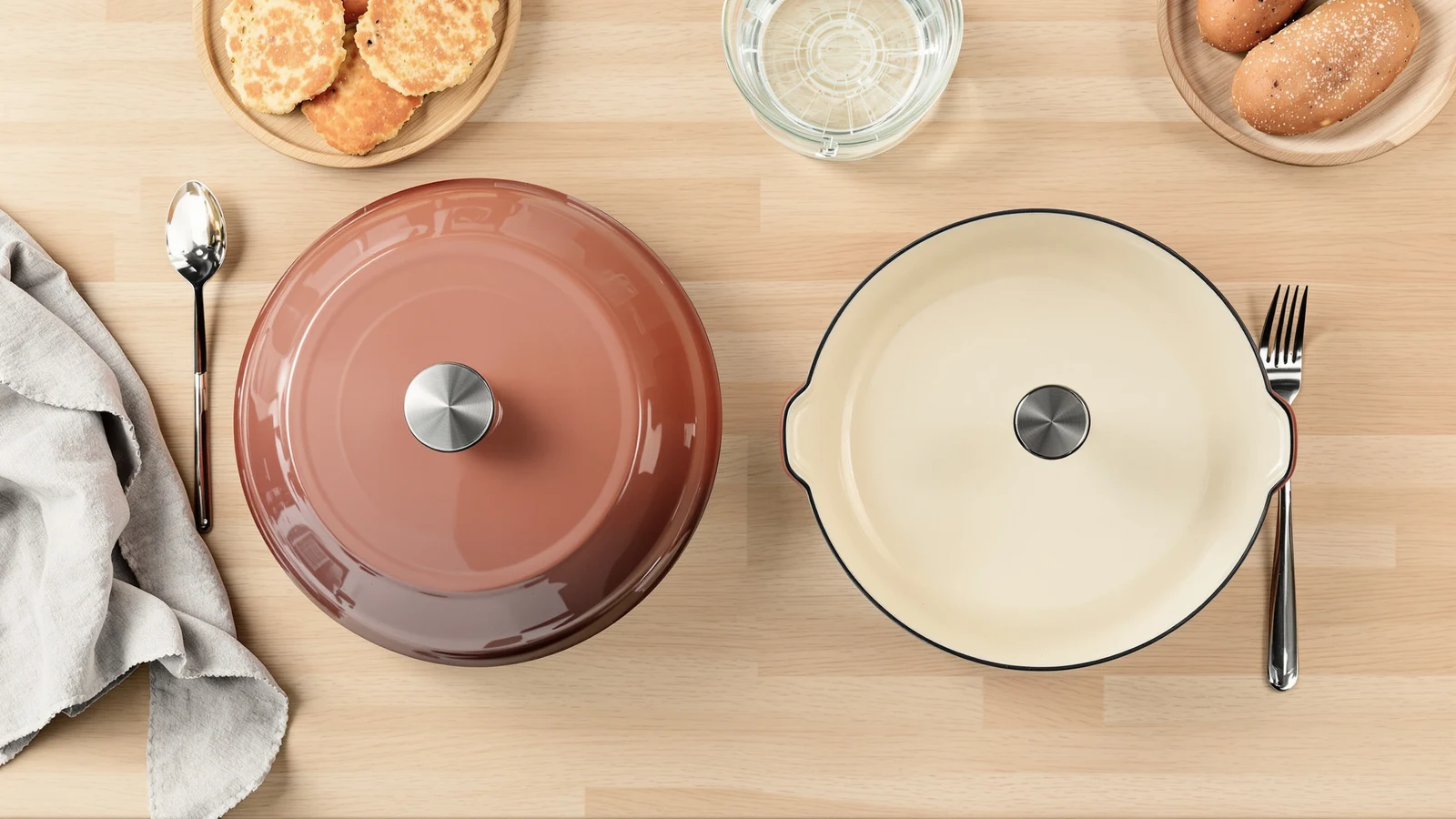
Round or Oval Dutch Oven?
Round suits burners and bread. Oval suits a joint and wastes heat on a hob. The choice is more practical than it looks.
 Roundup
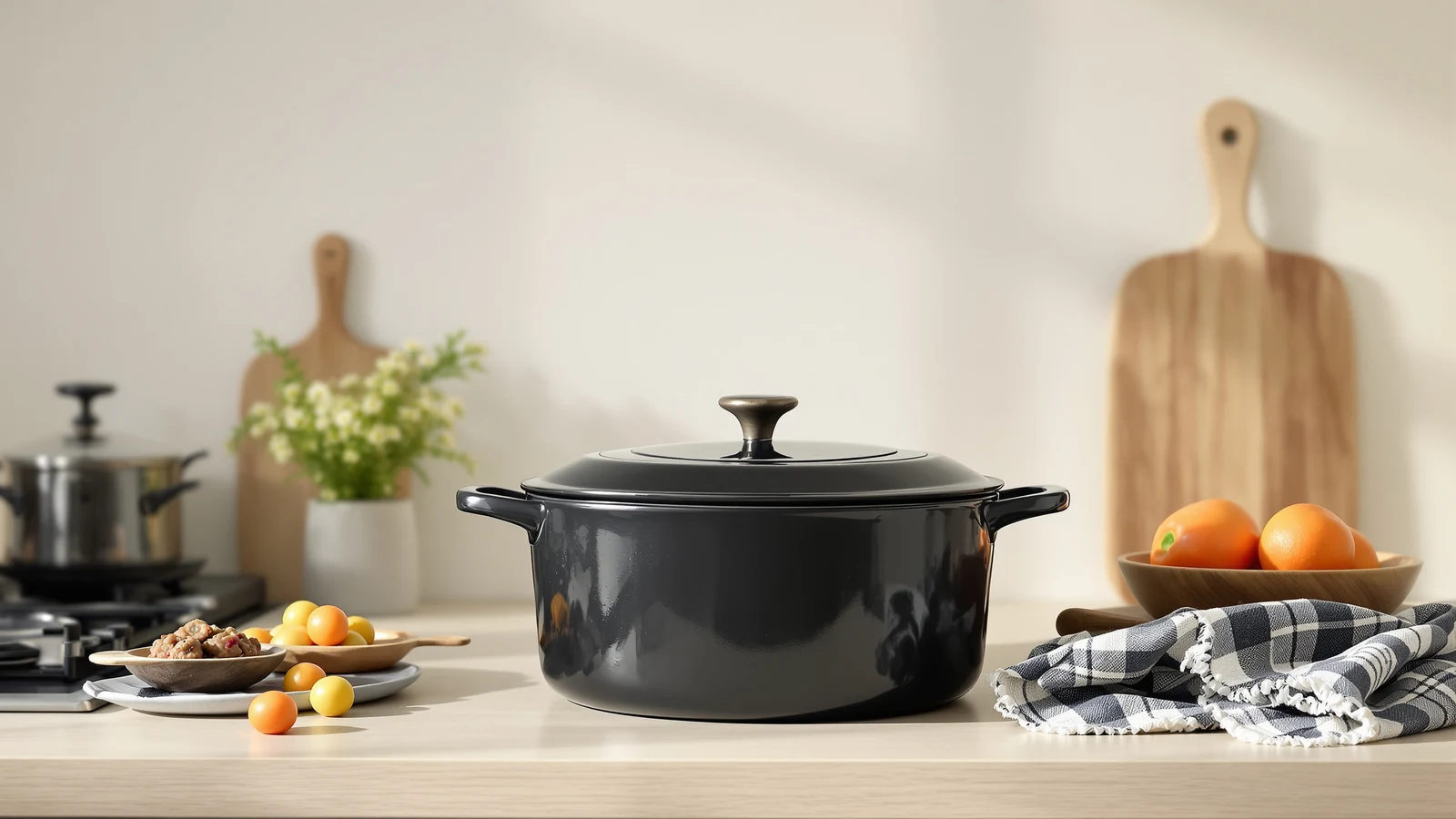
The Best Dutch Ovens for Braising
A four-hour braise is where a lid stops being a cover and starts being equipment. Three pots built for the long, slow, covered cook.
 Buying guide
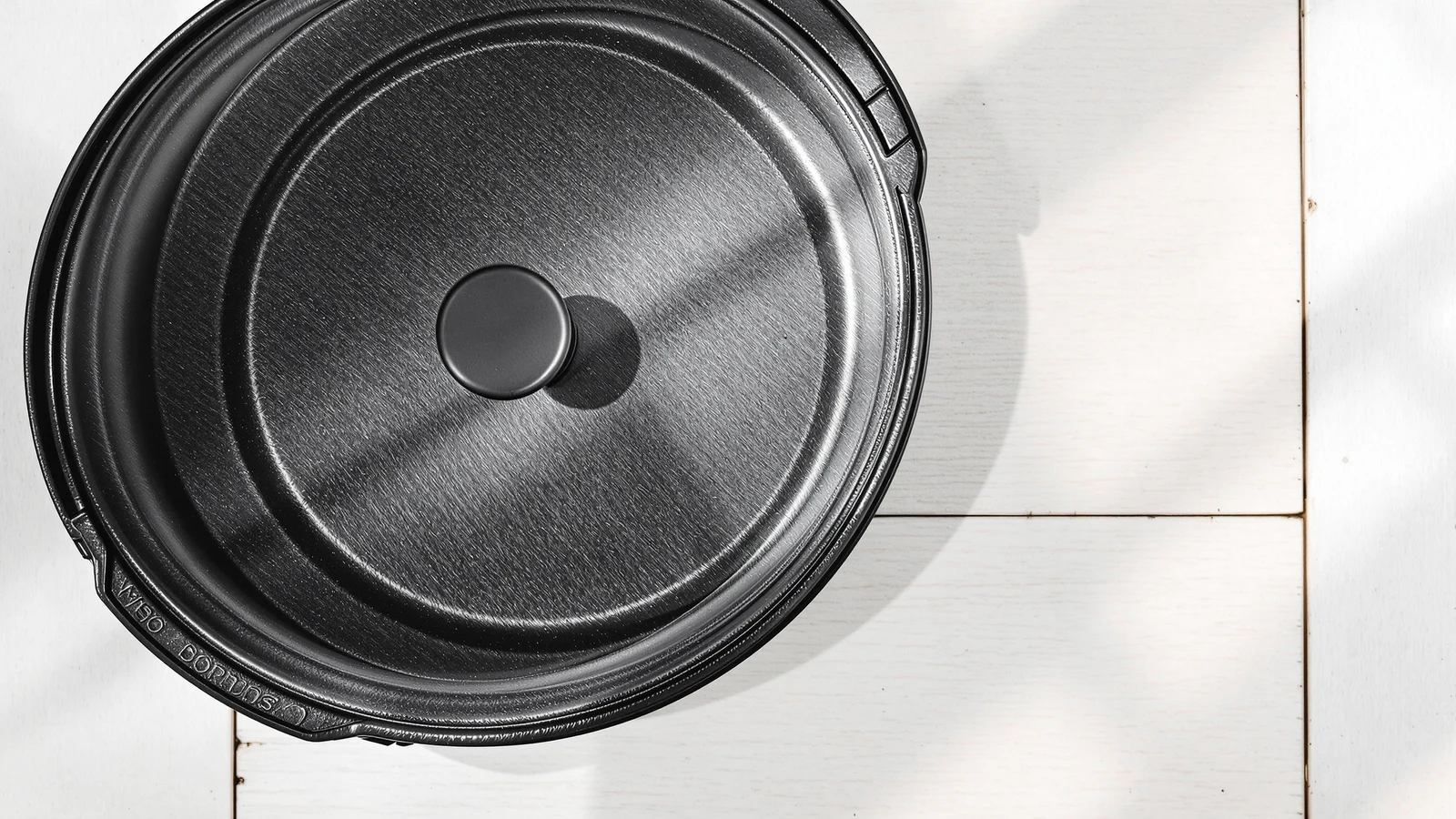
What a Dutch Oven Lid Is Actually Doing
Staub casts spikes into the underside to rain condensation back onto the food. That is a culinary decision, not a flourish — and it only matters for some cooking.
 Roundup
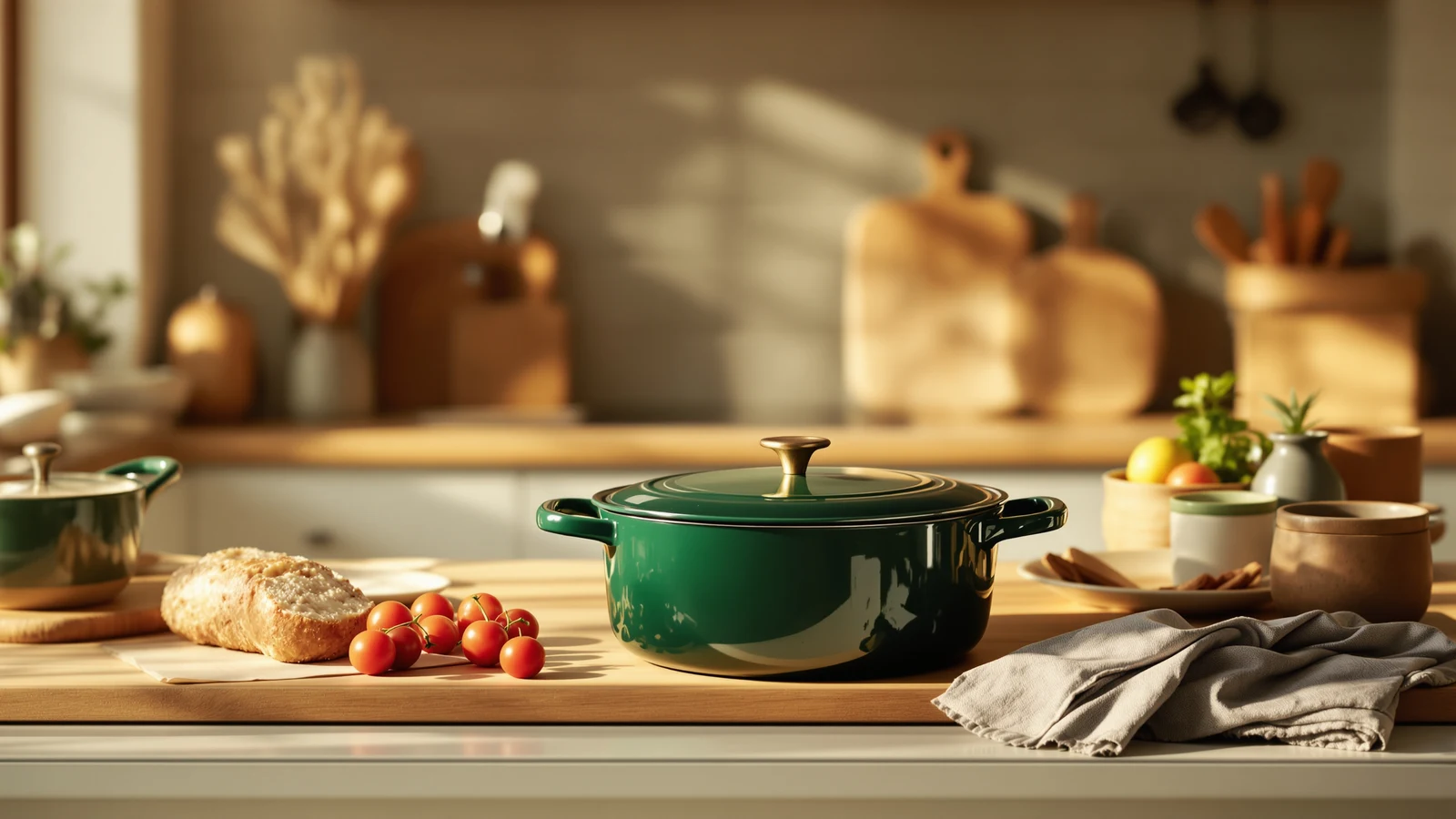
The Best Large Dutch Ovens, 7 Quarts and Up
Seven quarts feeds five to eight and weighs what you would expect. The three worth the arm strength, and the handle question nobody photographs.
 How-to
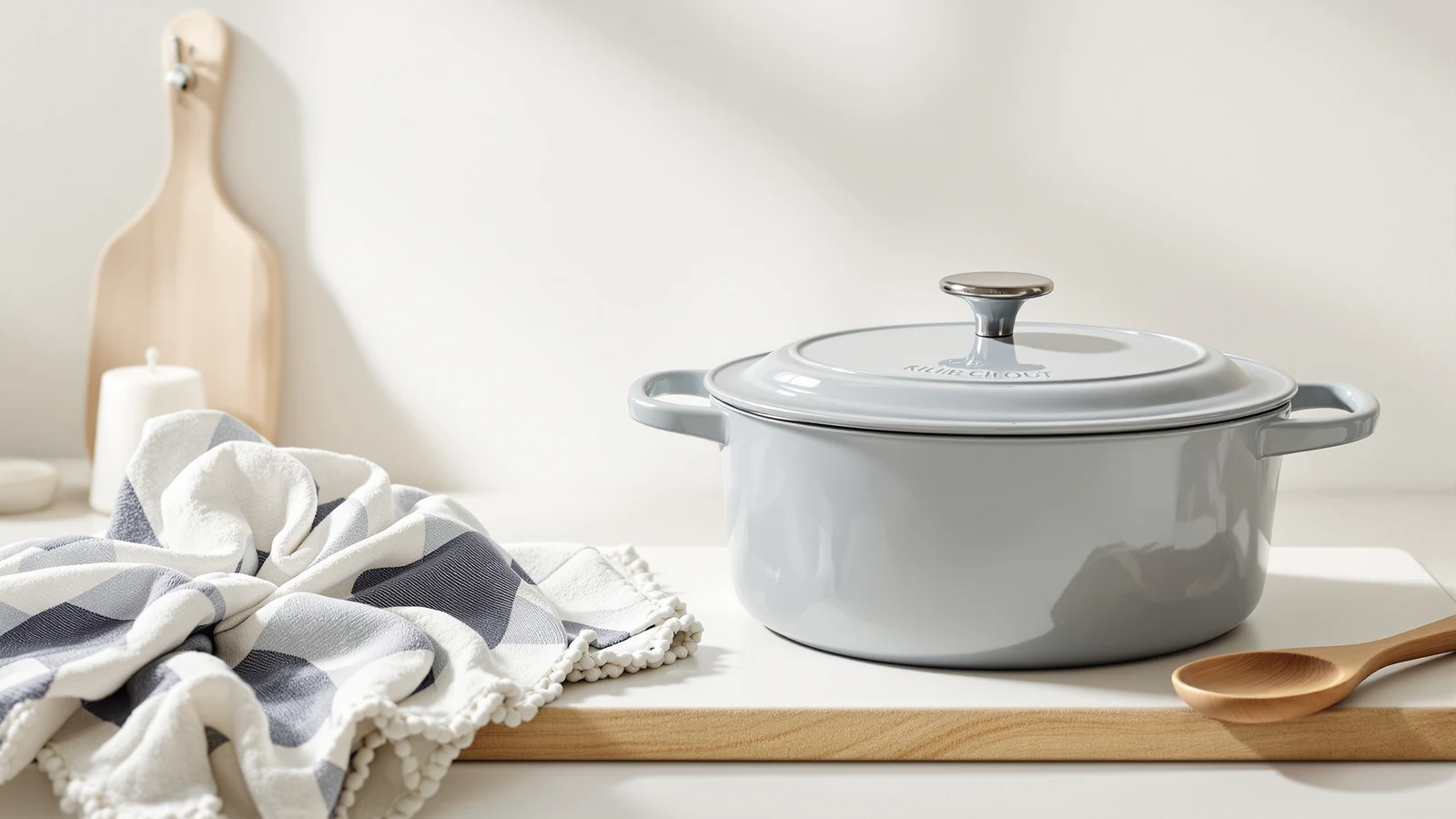
How to Keep an Enameled Dutch Oven Looking New
The enamel is glass. Everything that ruins one comes down to three habits, and all three are easy to avoid once you know them.
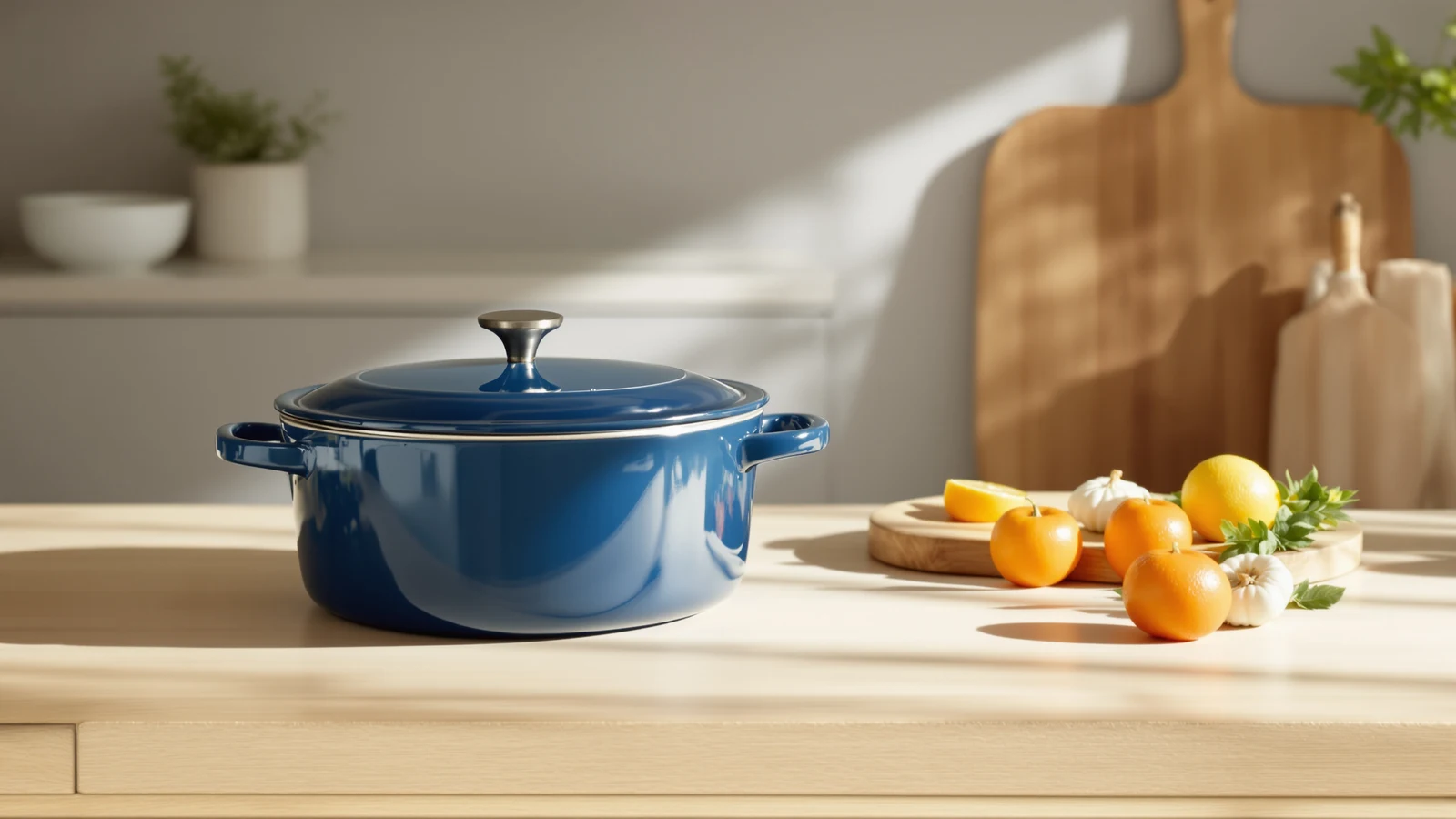 Comparison
Enameled or Bare Cast Iron: Which Should You Buy?
One needs seasoning and resents tomatoes. The other is ready out of the box and chips. A genuine trade, explained without the folklore.
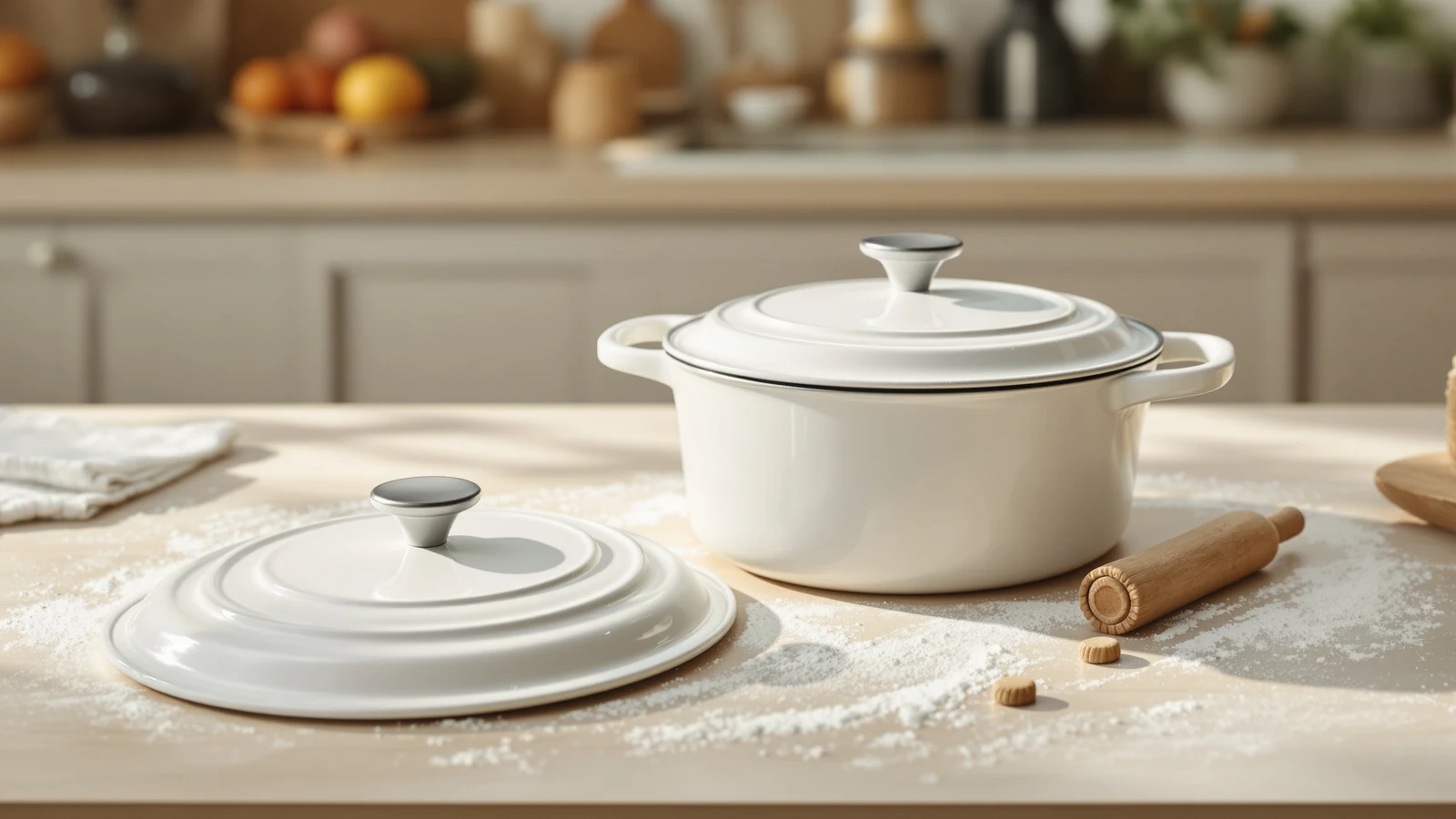 Roundup
The Best Dutch Ovens for Sourdough Bread
Any heavy lidded pot traps the steam a loaf releases. What the size should be, what the lid must do, and why you do not need to spend much.
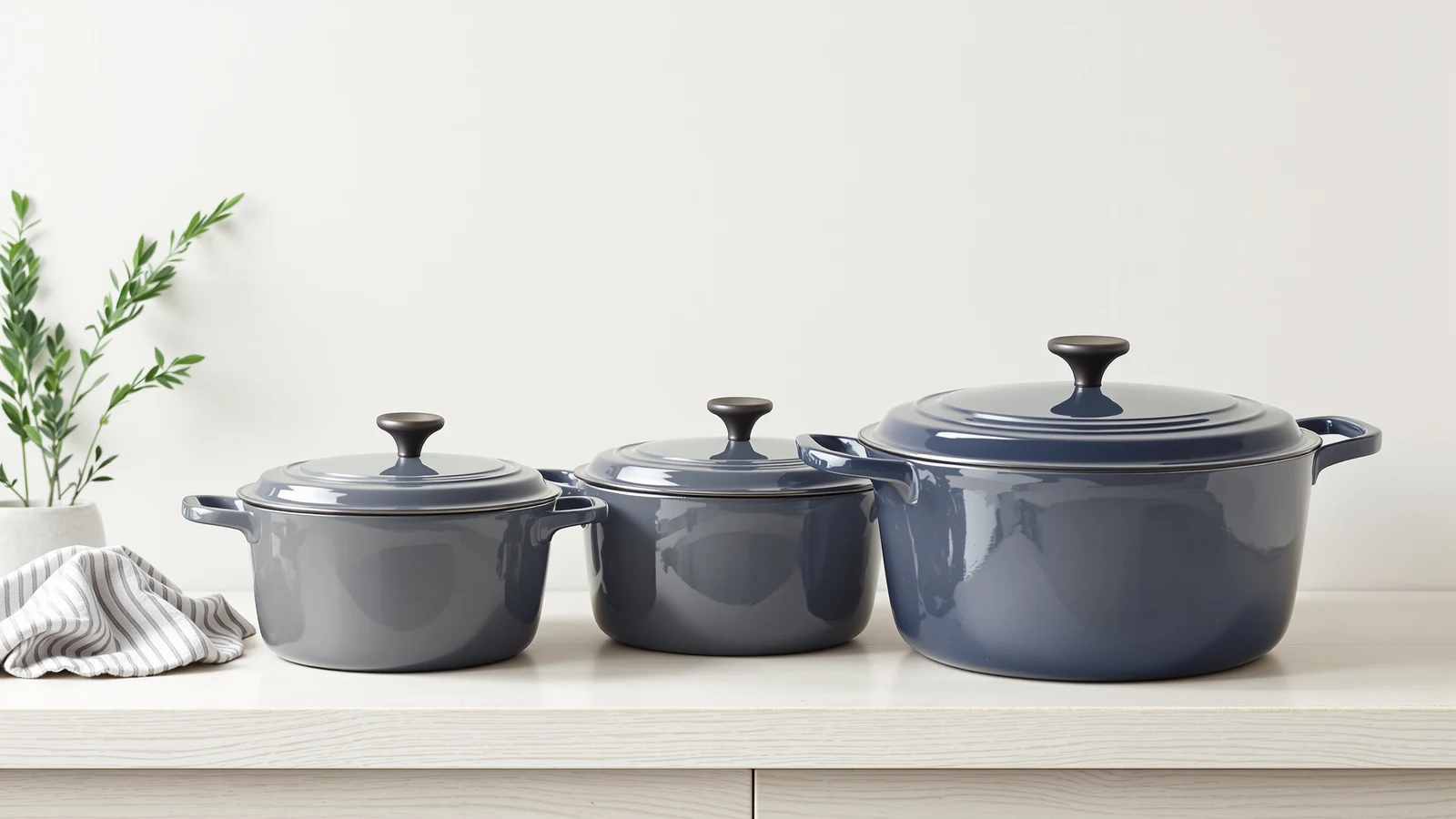 Buying guide
What Size Dutch Oven Do You Actually Need?
Five quarts, six, or seven. The answer is about the meals you cook most weeks, not the dinner party you host once a year.
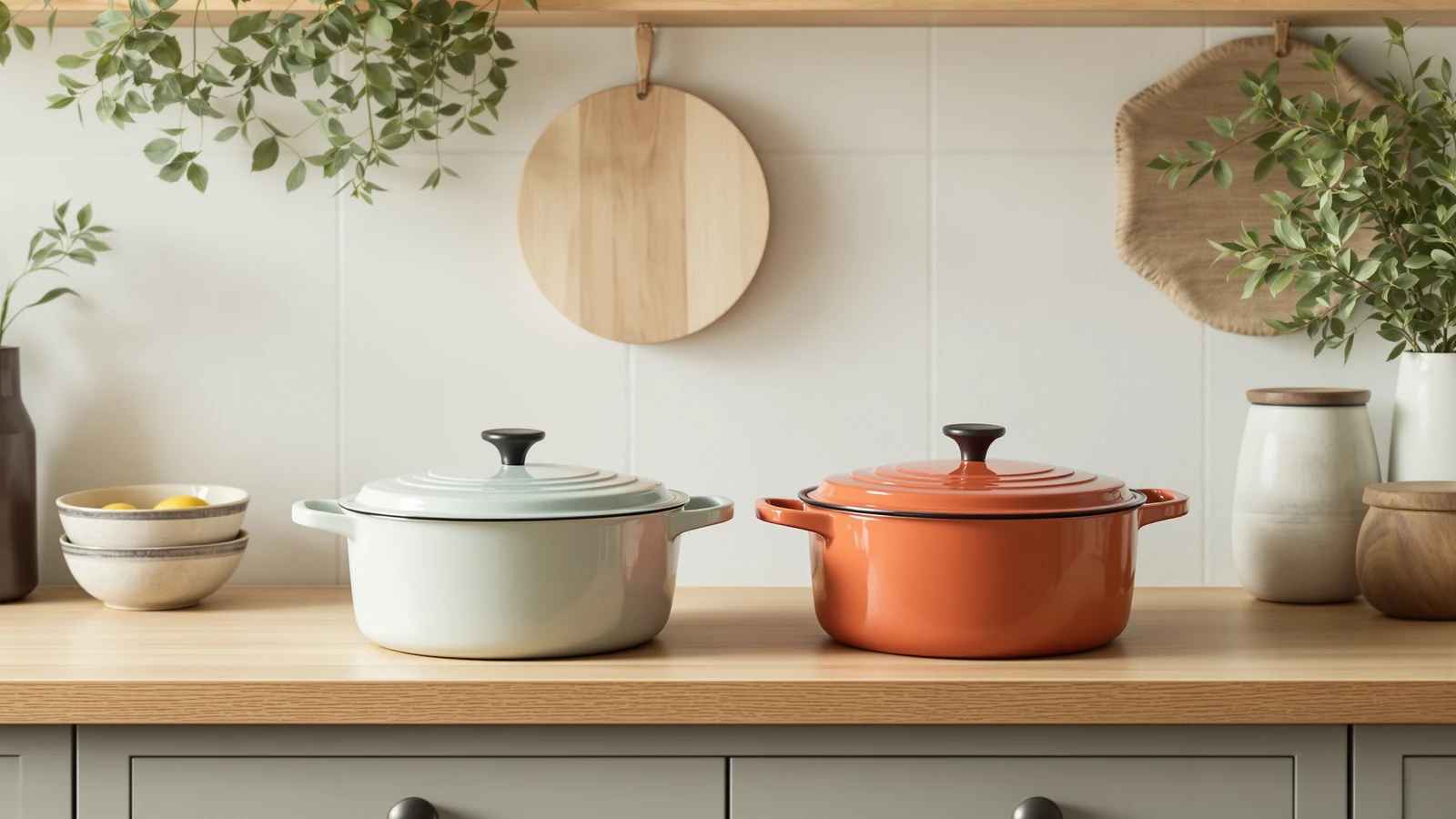 Comparison
Le Creuset vs Lodge: Is the Premium Real?
Five times the price for the same material. What the enamel, the lid and the warranty actually buy — and who should not pay for them.
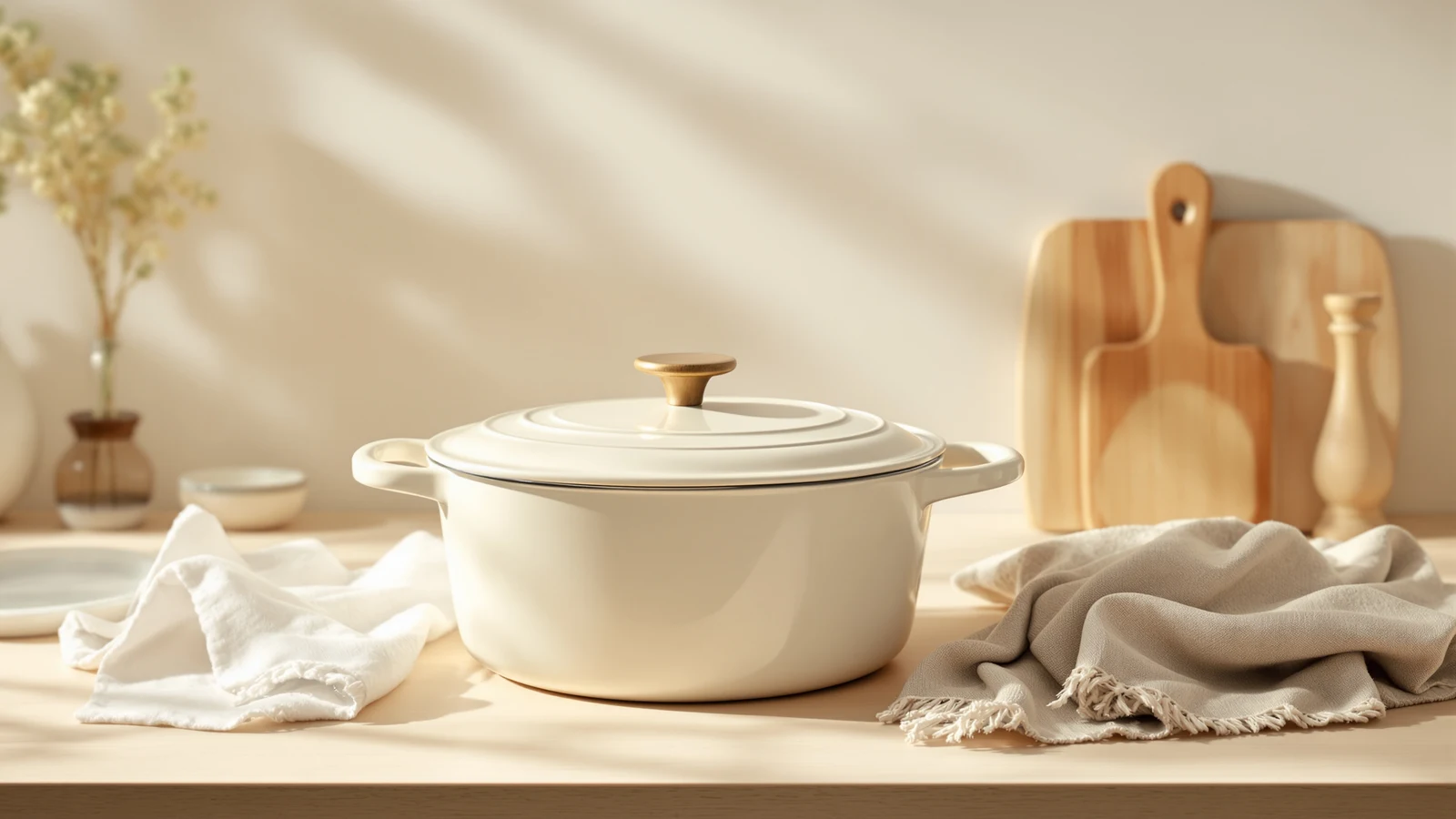 Roundup
The Best Dutch Ovens Under $100
The iron is identical to the French pots. Under a hundred dollars, here is what you actually give up, and the three pots that give up the least.
From our networkThe rest of the stovetop
A Dutch oven covers the braise. Our sister site works out the everyday pans around it: ceramic against PTFE nonstick, tri-ply stainless, induction bases, and why piece count is the least useful number on the box.